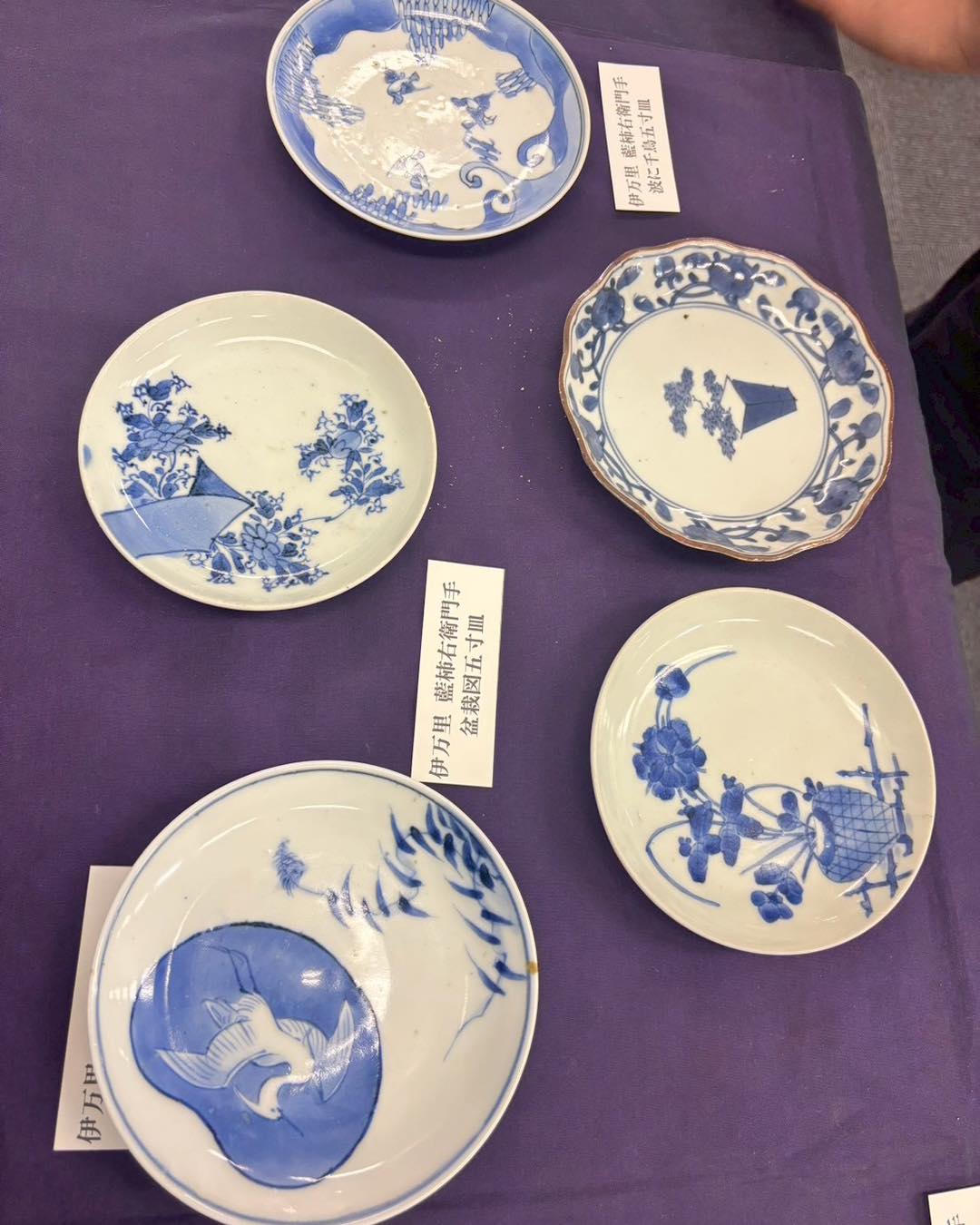
Produced in Jingdezhen
during the late Ming to early Qing period,
these vibrant polychrome porcelains crossed the sea
and became rooted in Japanese dining culture.
The striking contrast of vermilion and green.
A composition that feels free, yet perfectly balanced.
Its style was later reinterpreted
by many Japanese masters —
Eiraku Hozen, Wazen, Myozen,
as well as Kawase Chikushun, among others.
To create a “copy”
is not to imitate form,
but to grasp the core of its design.
The tension and playfulness of the original.
The rhythm between ornament and space.
The beauty of red enamel
continues to resonate with cuisine today.
Polychrome porcelain fired in the kilns of Jingdezhen
during the late Ming to early Qing period.
Its name derives from Nanjing,
the former capital of the Ming dynasty,
and became a broad term in Japan
for imported overglaze-decorated wares from China.
While larger pieces such as jars and ewers were often made for Europe,
many vessels destined for Japan took the form of tableware
and utensils for tea.
The lines are not perfectly uniform—
there is a sense of freedom, almost improvisation.
Yet the balance of the vessel remains intact.
Porcelain born in a foreign land
found a quiet place within Japanese food culture.
It is, perhaps, because it possesses
the depth to receive cuisine.
Even after four centuries,
it stands naturally
as a vessel meant to face food itself.
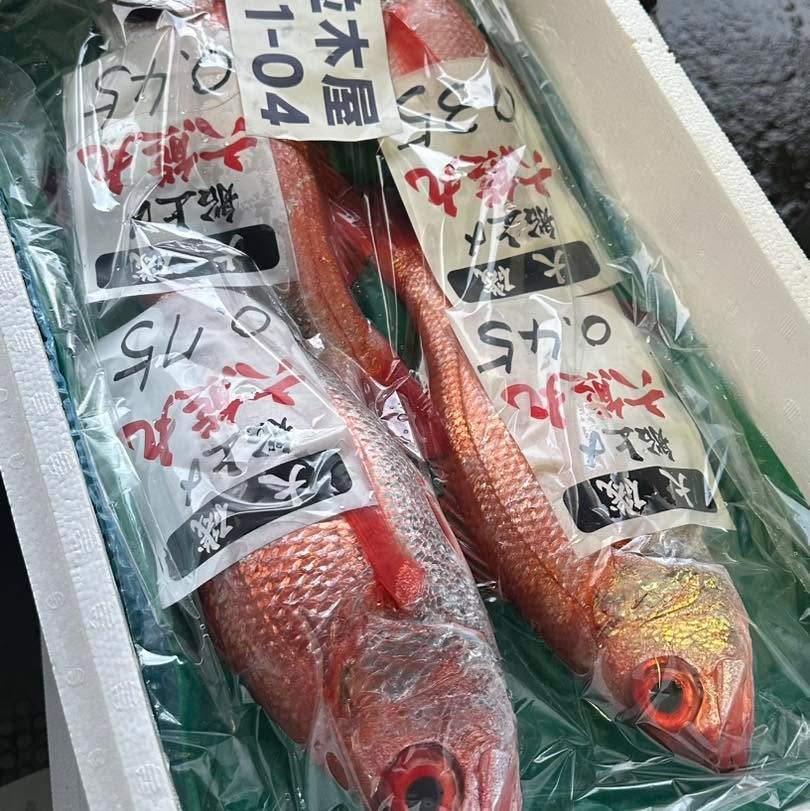
In January, during an event held at Nijikichi,
I had the opportunity to work directly with fish from their place of origin.
Harvested in the waters of Imabari, Ehime,
carefully dispatched and temperature-controlled,
these fish carried a tension that could be felt through the knife.
The firmness of the flesh.
The clean fibers that release no excess moisture.
The honest response to heat.
This goes beyond mere “freshness.”
It reflects the accumulated work of sea and people.
While fish from other countries have their own beauty,
I was once again reminded of the unique potential
nurtured by Japanese waters.
To stand in the field,
to handle the fish firsthand—
is to quietly renew oneself as a chef.
“Grilling the difference is also a way of renewing oneself.”
Last week, I had the opportunity to take part in an event hosted by
Ebisu Endo × Ebisu by Kobos in Madrid.
On that occasion,
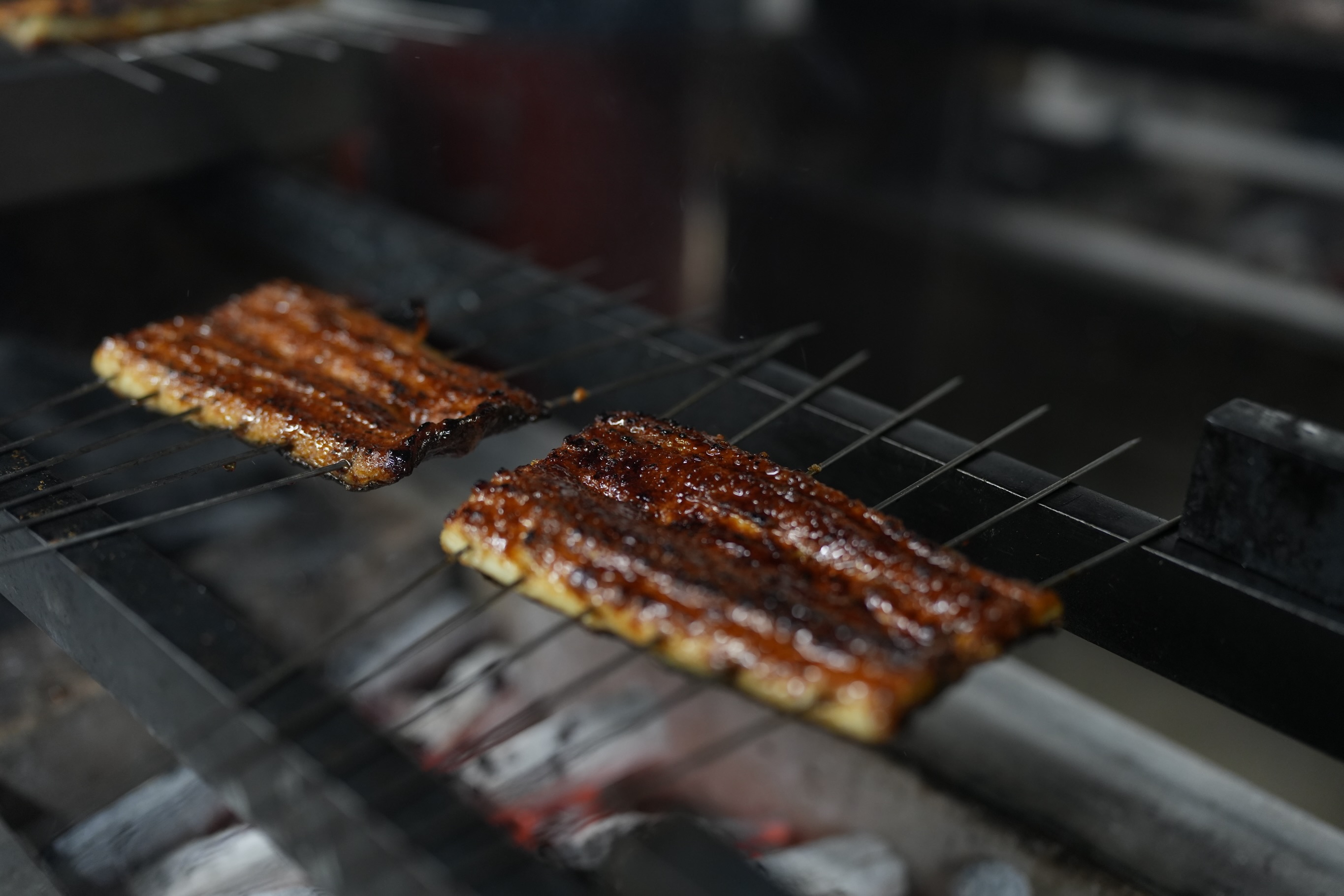
I grilled Japanese eel and European eel side by side over charcoal.
The European eel was farm-raised—
the very kind I had studied during my visit to Spain.
The other was a type I am more accustomed to working with.
Different species mean different structures—
bone composition, skin thickness, fat quality.
Even though both are called “eel,”
they respond to fire in completely different ways.
This time, the environment was also different from Japan—
the air, humidity, grill structure, and the charcoal itself.
Unlike the binchotan I usually use,
the character of the fire—its rise and stability—was subtly different.
How the fat renders.
How the skin tightens.
The exact moment to turn.
The same heat does not produce the same result.
It was technically demanding,
yet deeply educational.
Observing eel farming facilities in Spain—
the management of water temperature, circulation, and density—
as well as seeing wild eel being air-dried by the water,
added further perspective.
To understand the species.
To understand the water.
To understand the environment.
Cooking begins long before standing in front of the fire.
Grilling the difference is also a way of renewing oneself.
That renewal will quietly be reflected in the next plate.
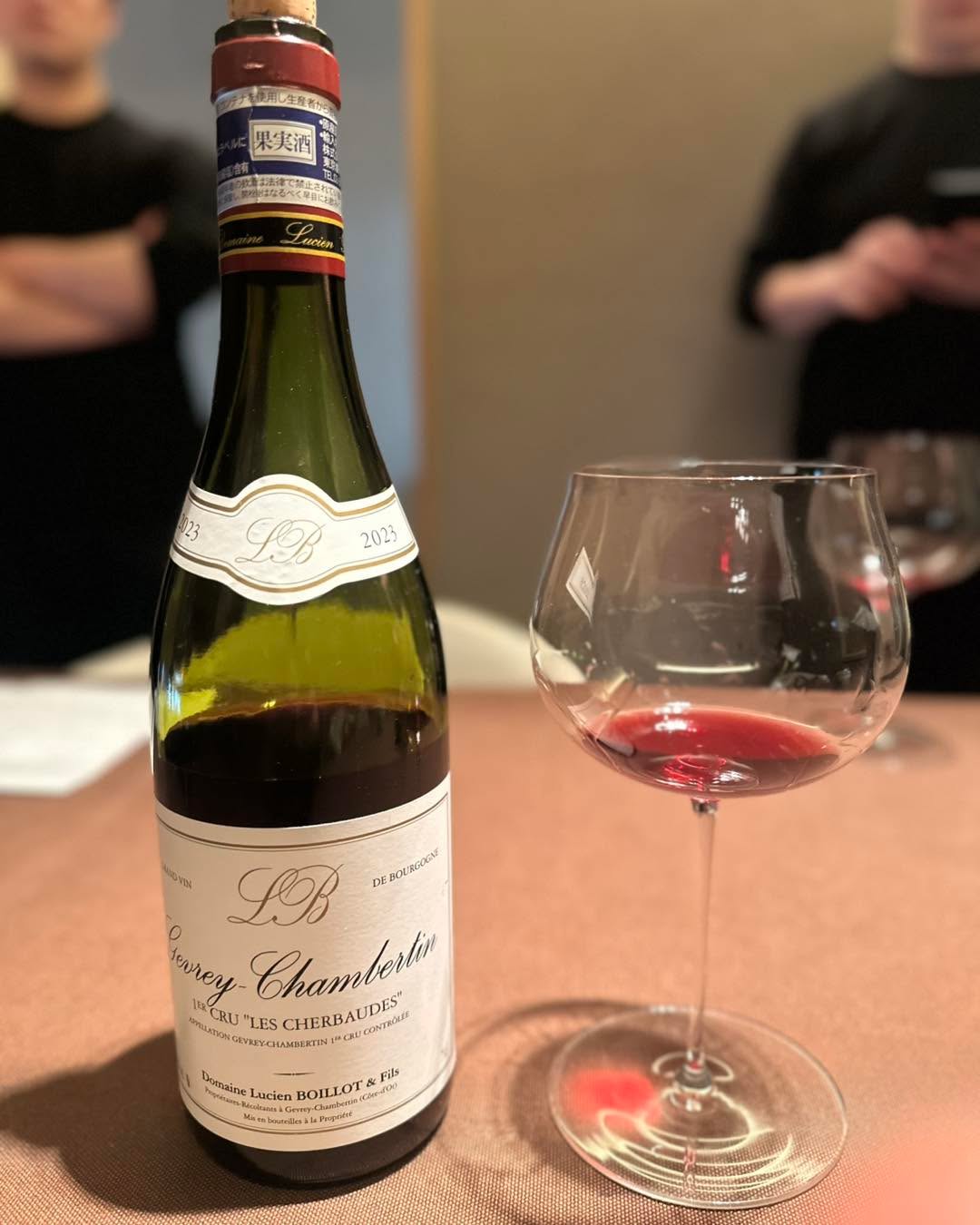
It may feel unusual for a chef to speak about wine.
Traditionally, wine belongs to the realm of sommeliers.
Yet as a chef, I find myself drawn first not to the bottle, but to the vineyard.
Before the grapes, I look at the soil.
The stones, the dryness of the earth, the way the wind moves through the rows.
It is the same instinct I have when I look at the sea before choosing fish.
Cuisine is the accumulation of ingredients.
Wine, too, is the accumulation of a place.
What rests quietly in the barrel reflects not only technique, but philosophy.
Without understanding that philosophy,
one cannot truly speak about harmony with food.
When you stand with the grower,
touch the soil,
and breathe the air of the vineyard before lifting the glass,
the contours of the wine become clearer.
Why does a chef speak about wine?
Because wine, like cuisine,
is an expression of land and people.
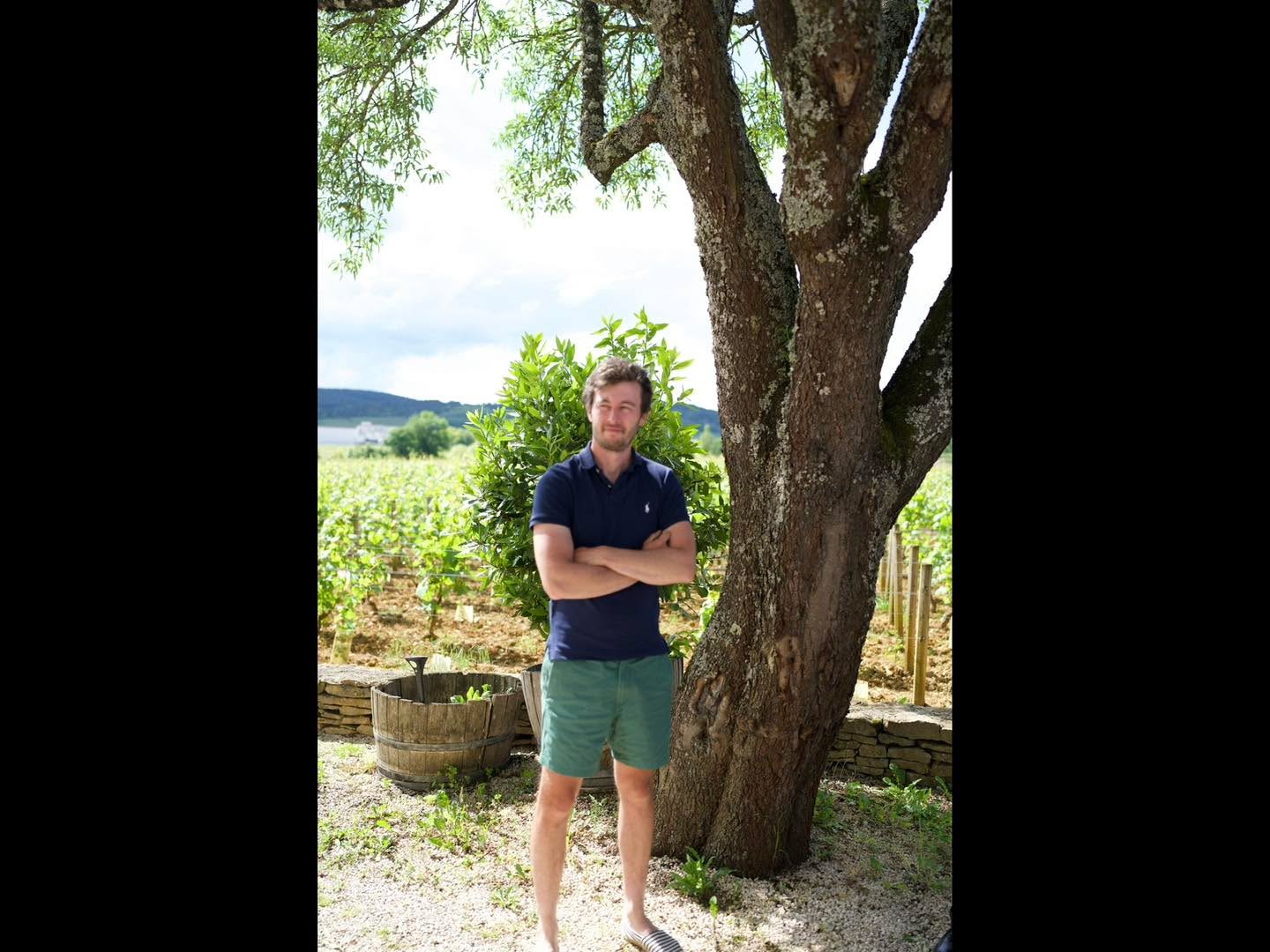
In a quiet street of Vosne-Romanée,
Domaine Méo-Camuzet stands with quiet dignity.
The name carved into its stone walls carries the weight of time—
a history deeply rooted in this land.
Jean-Nicolas Méo is known as a strict, serious,
and profoundly classical winemaker.
During our visit, what impressed us most was the way he spoke—
carefully, patiently, and in remarkable detail
about each parcel, its history, and its structure.
His explanations seemed almost endless,
yet never excessive.
It felt instead like a sincere desire
to make us truly understand the land.
The 2022 vintage is a year of maturity.
The fruit reached full ripeness,
yet the wines are neither sweet nor heavy.
They are defined by clarity, structure, and tension.
Strict in youth,
but clearly built for time.
Not about immediate pleasure,
but about architecture and longevity.
The philosophy of Méo-Camuzet
reveals itself quietly—
yet unmistakably—
in the glass.
The other day, I visited Sendai
and spent time engaging with ingredients from Miyagi.
Early in the morning at the Sendai Central Wholesale Market,
tuna landed in Shiogama moved through auction, processing, and distribution.
Standing there, I was able to sense the atmosphere of that process firsthand.
Seeing how a single fish is handled,
and in what condition it reaches the kitchen,
offered a moment to reflect on how we engage with ingredients.
Markets, producers, and cooks.
Each plays a role, and their work quietly connects to one plate.
I take this experience in, calmly and thoughtfully.
Late Ming dynasty, circa 1620–1640.
Kosome-tsuke porcelain fired in Jingdezhen, China.
At that time in Jingdezhen,
alongside wares made for the imperial court,
there were vessels specially commissioned for Japan.
The lines are not perfectly uniform,
the brushwork free and almost improvisational.
Yet each piece holds food with quiet generosity
and a deep sense of balance.
Even after four hundred years,
they remain naturally present
as vessels meant to face cuisine itself.
A dish is not completed on the plate.
It begins the moment we face the vessel.
Nearly four hundred years ago,
sometsuke porcelain was fired in Jingdezhen during the late Ming period.
Its lines and spaces, born for everyday use, remain quietly present today.
These vessels do not speak loudly.
They receive, and they support.
The surface begins to breathe —
the porcelain and the brushwork revealing themselves in time.
Not to decorate cuisine,
but to move alongside it through centuries.
The reason these vessels have endured
reveals itself in that quiet presence.
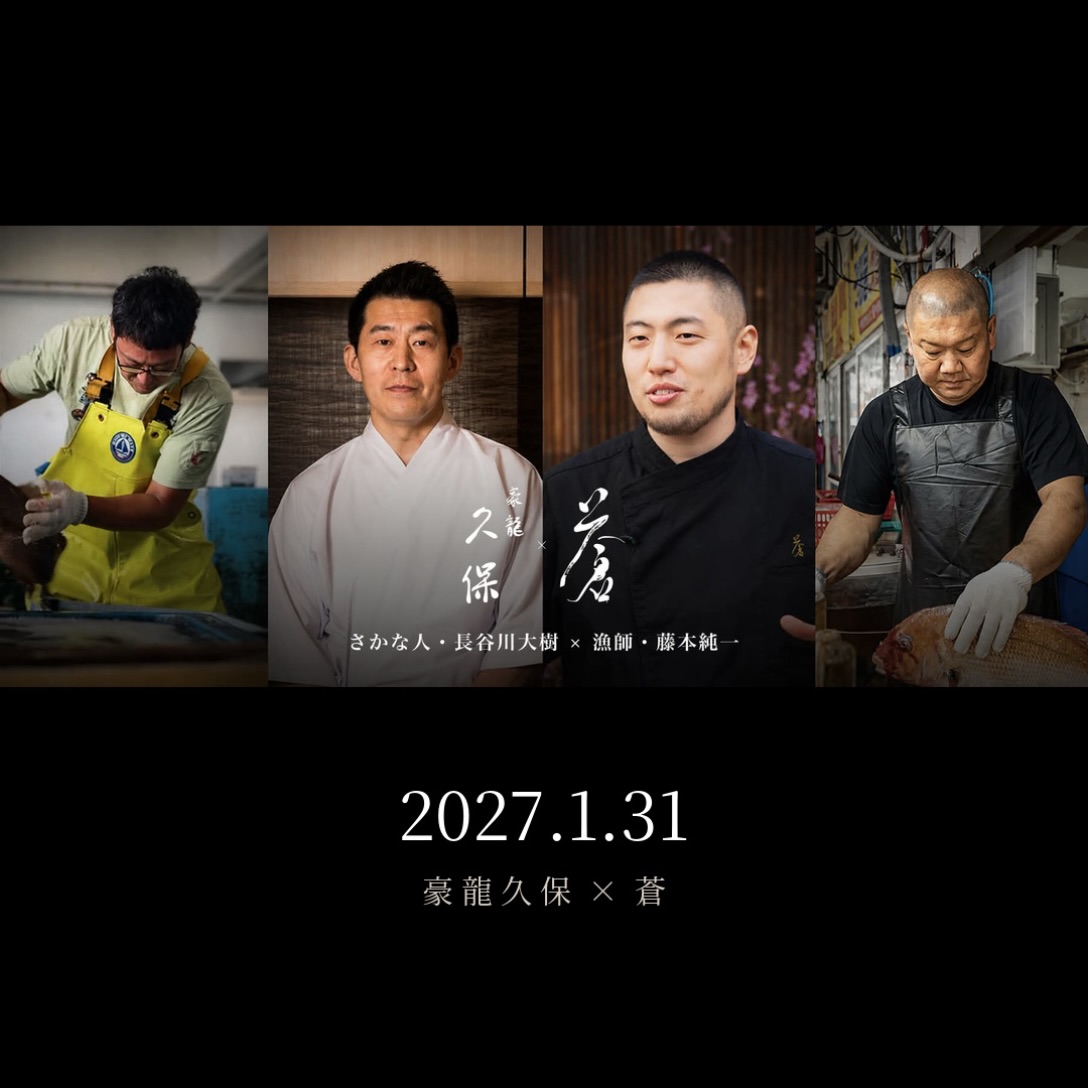
After taking part in an event in Oslo
between Ebisu Endo and Sabi Omakase,
I traveled north to Tromsø
and went out to sea with Fujimoto-san,
a fisherman from Ehime.
We fished, handled the catch,
processed it on the spot, and tasted it ourselves.
The cold water, strong currents,
the texture of the flesh, the quality of the fat.
Some things felt familiar —
others entirely different from Japan.
Ingredients cannot be fully understood
from the kitchen alone.
You have to stand at the source
and go out to sea.
This journey, too,
was an essential part of how we face our cuisine.
Traveling abroad is not only about showcasing cuisine.
It is about eating, drinking,
and immersing oneself in the rhythm of an unfamiliar place —
the energy of a restaurant,
the quiet of a city at night,
the culture reflected beyond the glass.
Working behind the scenes,
supporting rather than leading,
sharpens a chef’s senses in a different way.
A glass of wine tasted far from home,
the air drifting through a harbor at night —
they do not become dishes immediately.
But they are carried back, quietly,
into the kitchen in Japan.
To know the world
is to understand one’s own position within it.
This journey is part of that process.
As part of a project with dancyu,
I had the opportunity to visit several production areas across Chiba Prefecture
and to learn a great deal firsthand.
Ōhara is widely known as a source of high-quality abalone,
but by visiting the area myself,
I came to understand that landings of wild torafugu pufferfish
have also been increasing in recent years.
Ongoing efforts such as juvenile stock releases
are gradually bearing fruit,
and high-quality wild torafugu are now being landed more consistently.
Witnessing this on site was deeply impressive.
At the same time,
I felt there is still room for improvement
in post-harvest handling and distribution.
If these fish can reach chefs in even better condition,
their potential could be expressed far more fully.
Through this visit,
I was reminded that when producers, fishermen, distributors, and chefs
engage with one another from their respective positions,
the true strength of Chiba’s ingredients
can be shared with many more people.
As a chef,
I hope to be involved, even in a small way,
in that ongoing flow.