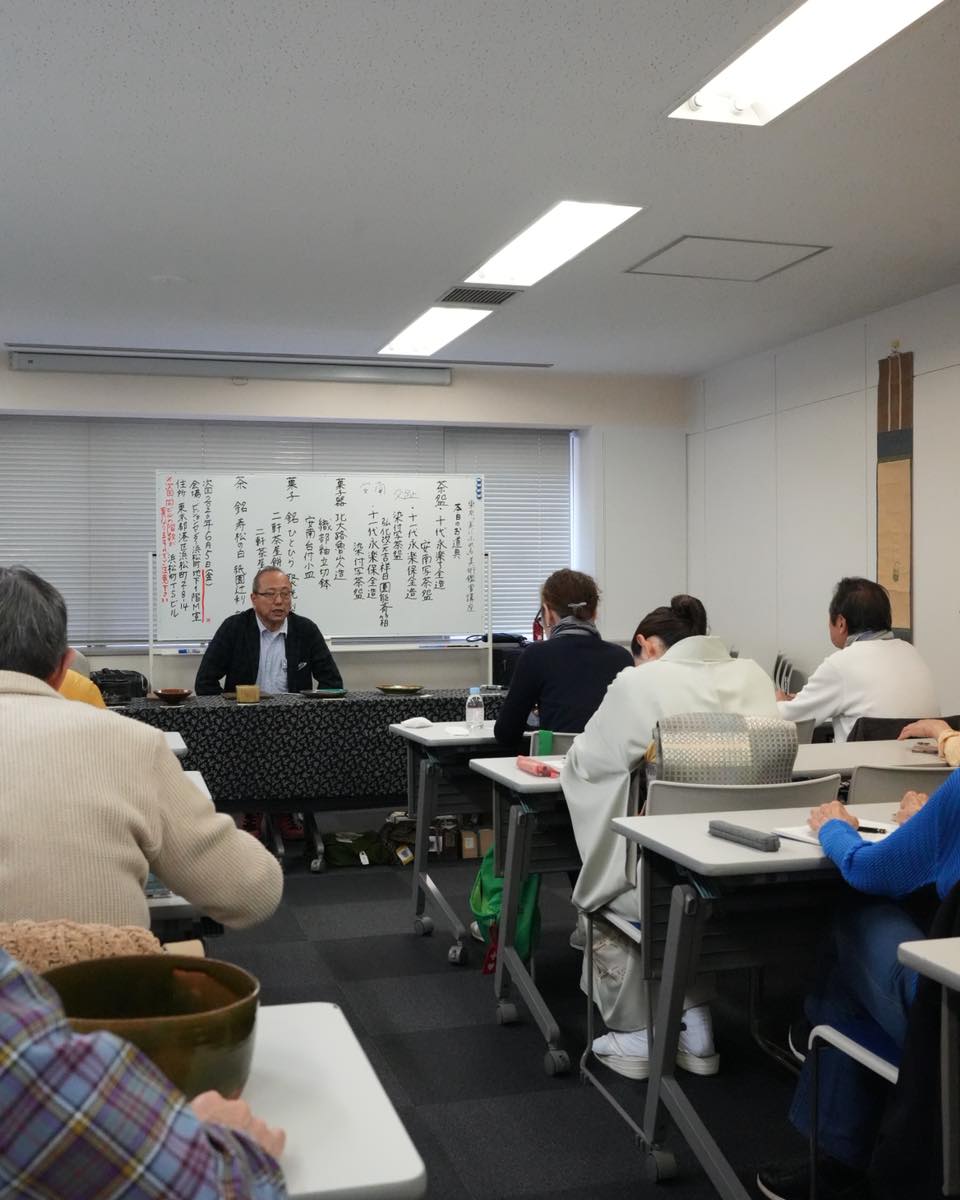
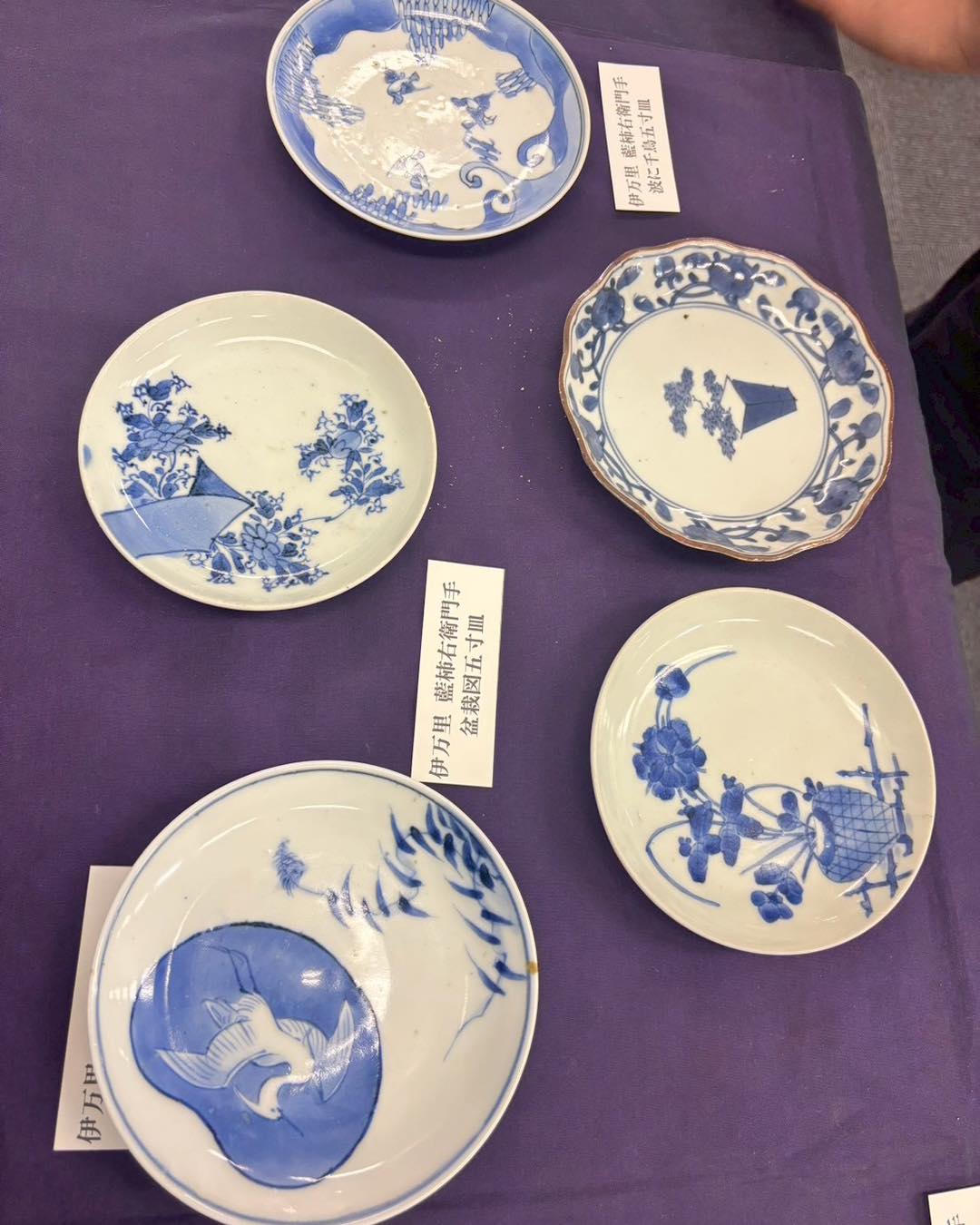
The other day, I attended the “Encountering Beauty” lecture hosted by Kajiko Antiques in Kyoto.
We studied Ko-Imari, Ko-Kutani, Kakiemon, and gosu porcelain, as well as tea utensils.
Learning about the history and background behind each piece is an invaluable experience for a chef.
Cuisine is not completed by taste alone.
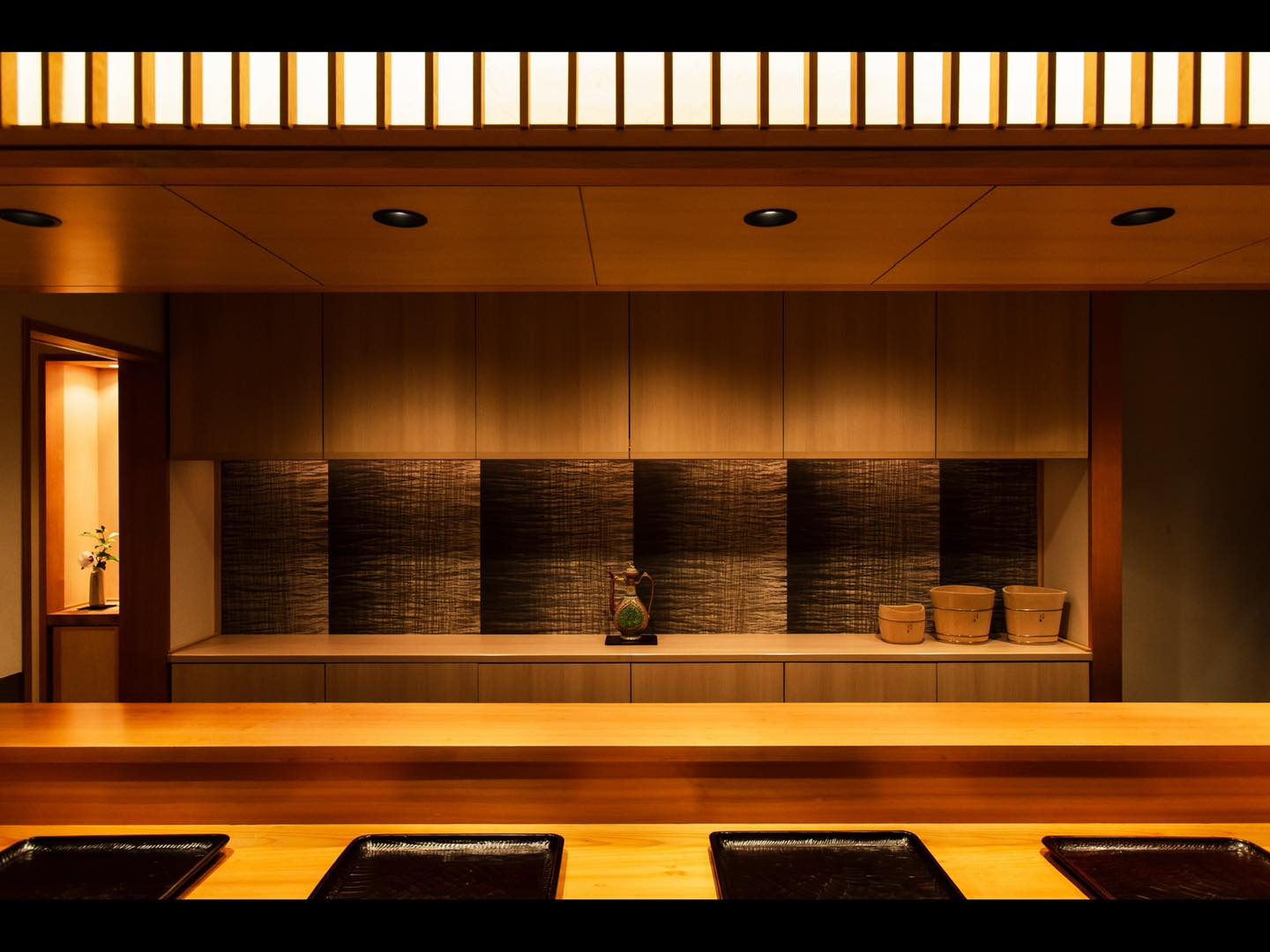
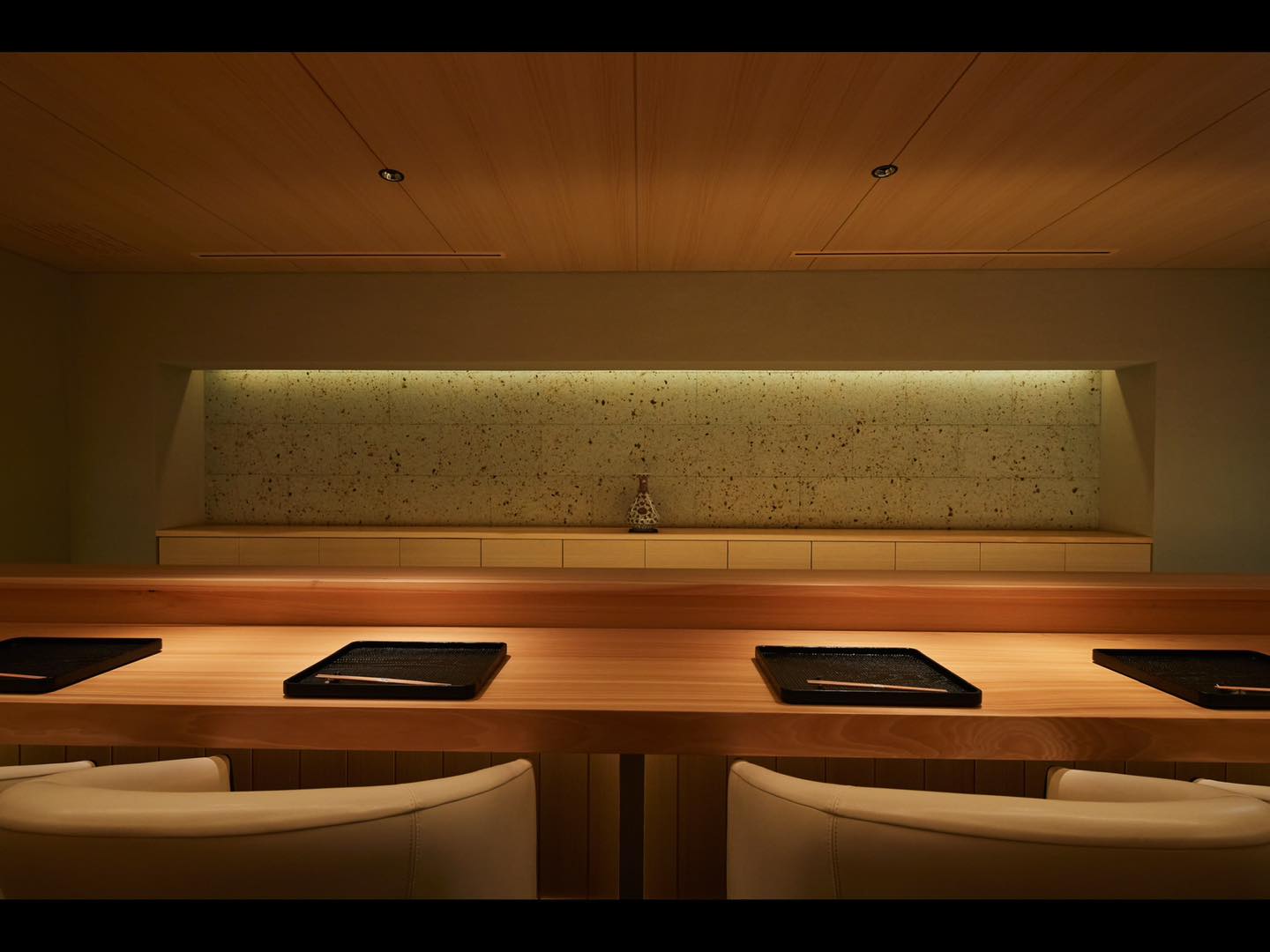
It comes together through the vessel, the season, the space, and the gestures that surround it.
I believe these learnings quietly shape the way we cook and the atmosphere of a restaurant.
I hope to continue valuing moments that allow me to encounter the aesthetics of Japan.