
-
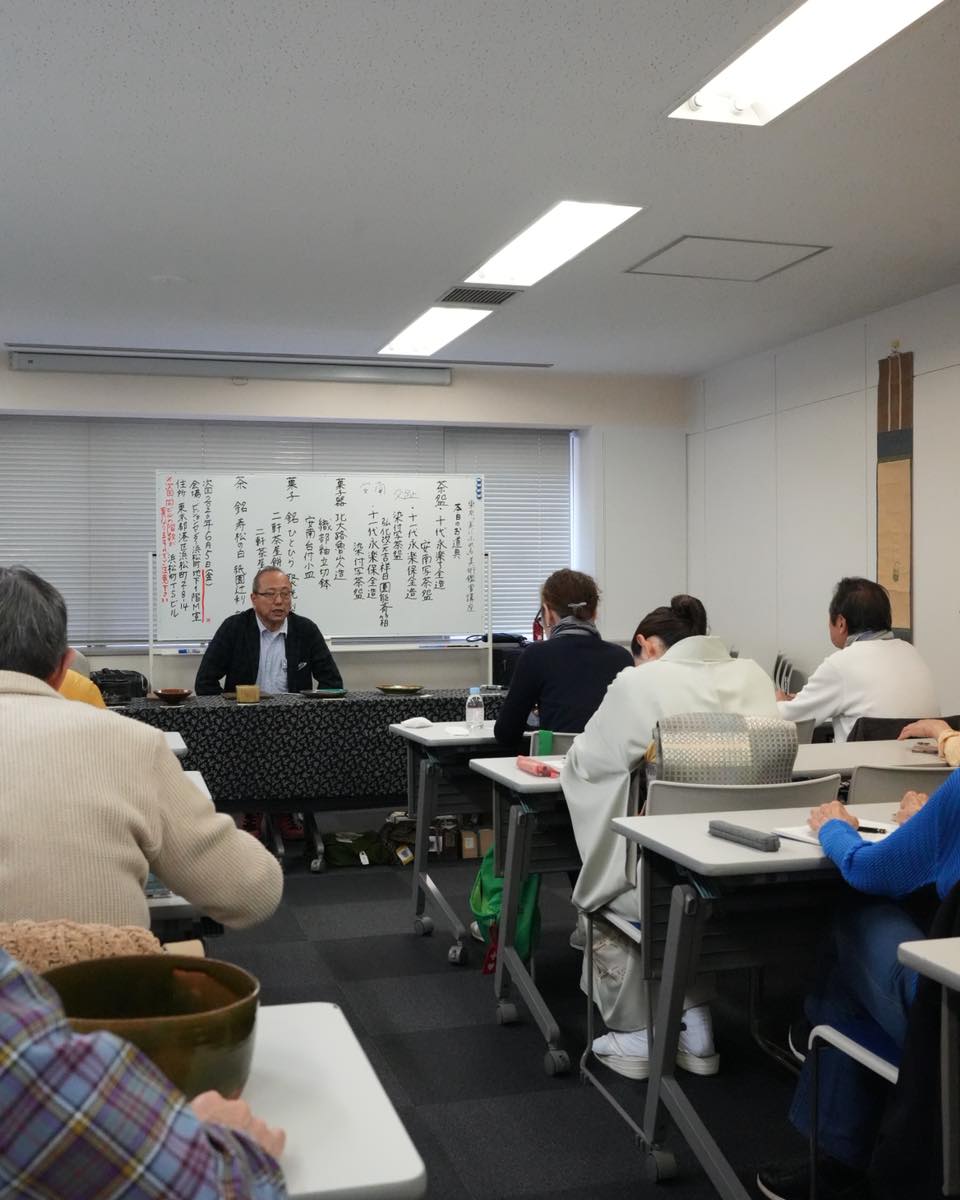 先日、梶古美術さん主催の
「美にふれる」講座へ。
今回は、北大路魯山人をはじめ、
織部の器を多く拝見しました。
器の表情に触れることは、
料理の景色を見つめ直す時間でもあります。
こうした学びを、
日々の一皿に静かに映していきたいと思います。
The other day, I joined the “Encountering Beauty” lecture
hosted by Kajiko Antiques.
This time, we viewed works by Kitaoji Rosanjin
and many Oribe pieces.
To encounter the expression of a vessel
is also to reconsider the landscape of cuisine.
I hope to let these learnings
quietly appear in each dish we create.
#豪龍久保
#美にふれる
#梶古美術
#日本料理
#器
-
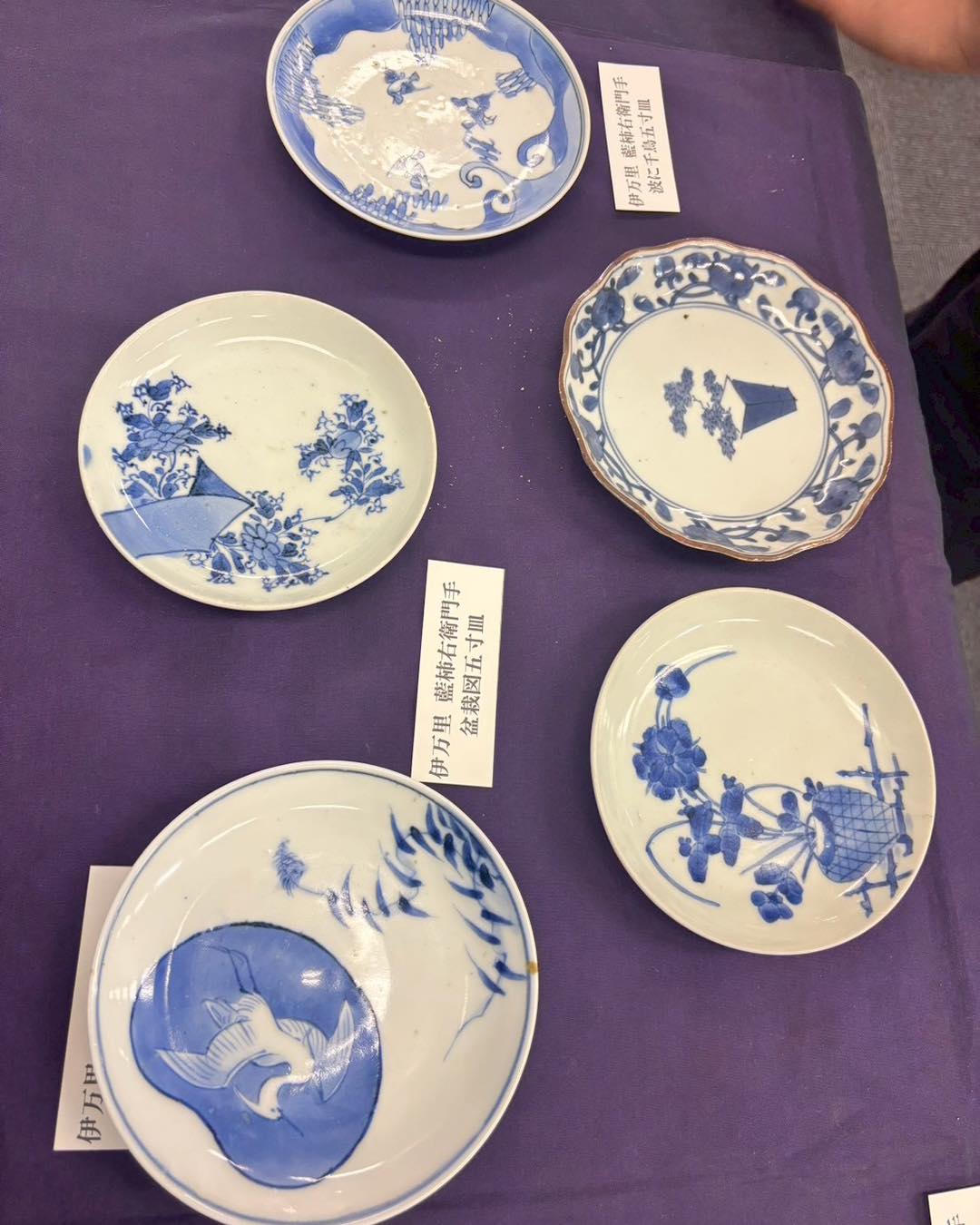 先日、京都の梶古美術さんが主催されている
「美にふれる」講座に参加させていただきました。
古伊万里や古九谷、柿右衛門、呉須の器、そして茶の道具。
一つひとつの器が生まれた背景や歴史を学ぶ時間は、
料理人にとって非常に大切な学びの場でもあります。
料理は味だけで完結するものではなく、
器、季節、空間、所作とともに完成していくもの。
こうした学びは、日々の料理や店の空気に
静かに反映されていくものだと感じています。
これからも、日本の美意識に触れる時間を
大切にしていきたいと思います。
⸻
The other day, I attended the “Encountering Beauty” lecture hosted by Kajiko Antiques in Kyoto.
We studied Ko-Imari, Ko-Kutani, Kakiemon, and gosu porcelain, as well as tea utensils.
Learning about the history and background behind each piece is an invaluable experience for a chef.
Cuisine is not completed by taste alone.
It comes together through the vessel, the season, the space, and the gestures that surround it.
I believe these learnings quietly shape the way we cook and the atmosphere of a restaurant.
I hope to continue valuing moments that allow me to encounter the aesthetics of Japan.
#豪龍久保
#美にふれる
#梶古美術
#日本料理
#器
-
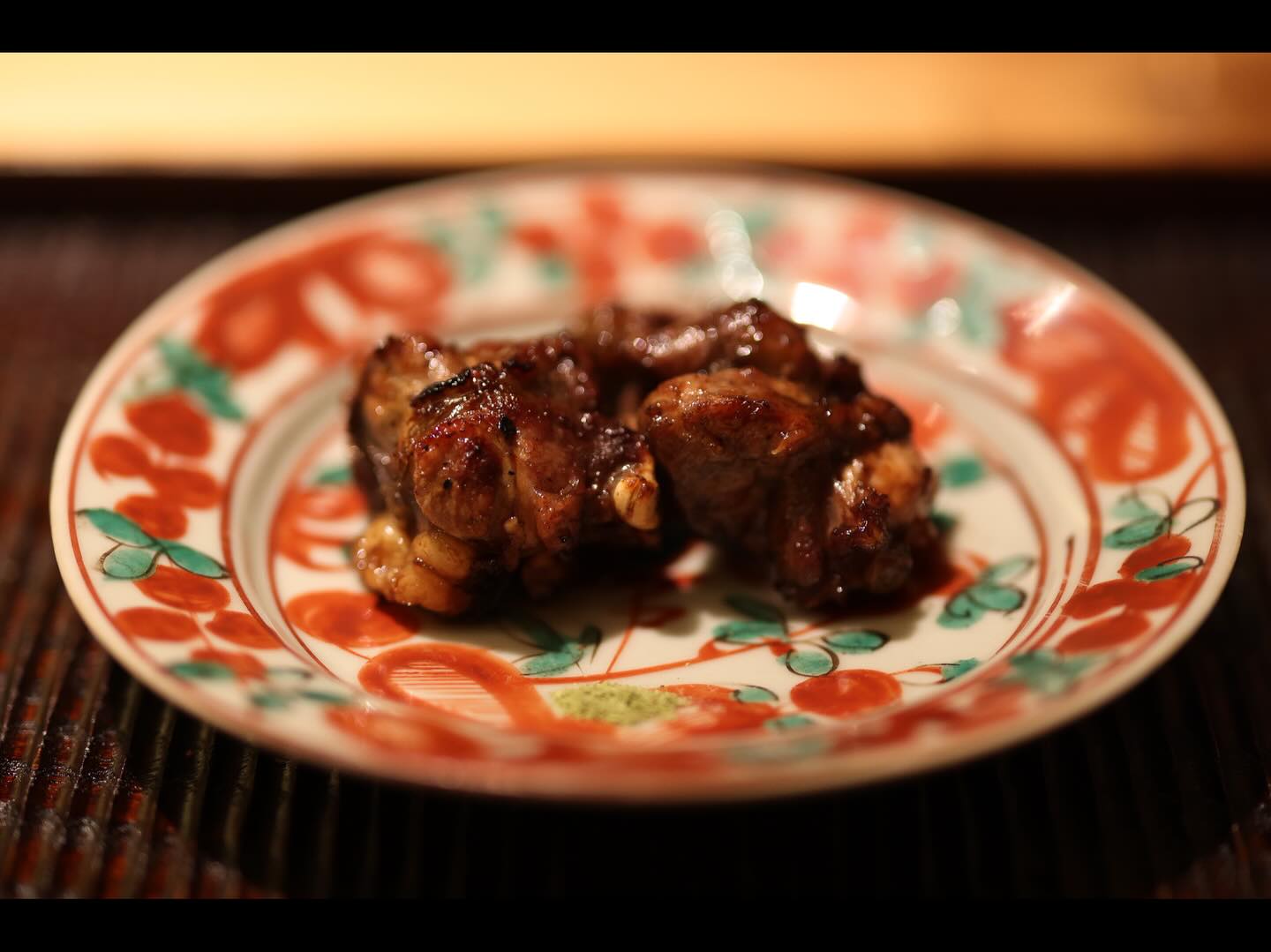 南京赤絵。
南京赤絵。
明時代末期から清時代初期にかけて、
景徳鎮の民窯で焼かれた五彩磁器。
その名は、明王朝の都が南京にあったことに由来し、
海を越えて日本にもたらされた色絵磁器を
包括的に指す呼称として定着しました。
欧州向けには壺や大徳利といった大作が多く、
一方、日本には食器や茶道具として渡りました。
線は均一ではなく、
どこか即興的で、のびやか。
けれど器としての均衡は崩れない。
異国で生まれた磁器が、
日本の食文化の中で静かに居場所を得たこと。
それは、料理を受け止める力があったからこそだと思います。
四百年を経た今も、
自然に料理と向き合う器として、
そこにあります。
Nankin Akae.
Polychrome porcelain fired in the kilns of Jingdezhen
during the late Ming to early Qing period.
Its name derives from Nanjing,
the former capital of the Ming dynasty,
and became a broad term in Japan
for imported overglaze-decorated wares from China.
While larger pieces such as jars and ewers were often made for Europe,
many vessels destined for Japan took the form of tableware
and utensils for tea.
The lines are not perfectly uniform—
there is a sense of freedom, almost improvisation.
Yet the balance of the vessel remains intact.
Porcelain born in a foreign land
found a quiet place within Japanese food culture.
It is, perhaps, because it possesses
the depth to receive cuisine.
Even after four centuries,
it stands naturally
as a vessel meant to face food itself.
#豪龍久保
#日本料理
#南京赤絵
#明末期
#梶古美術
-
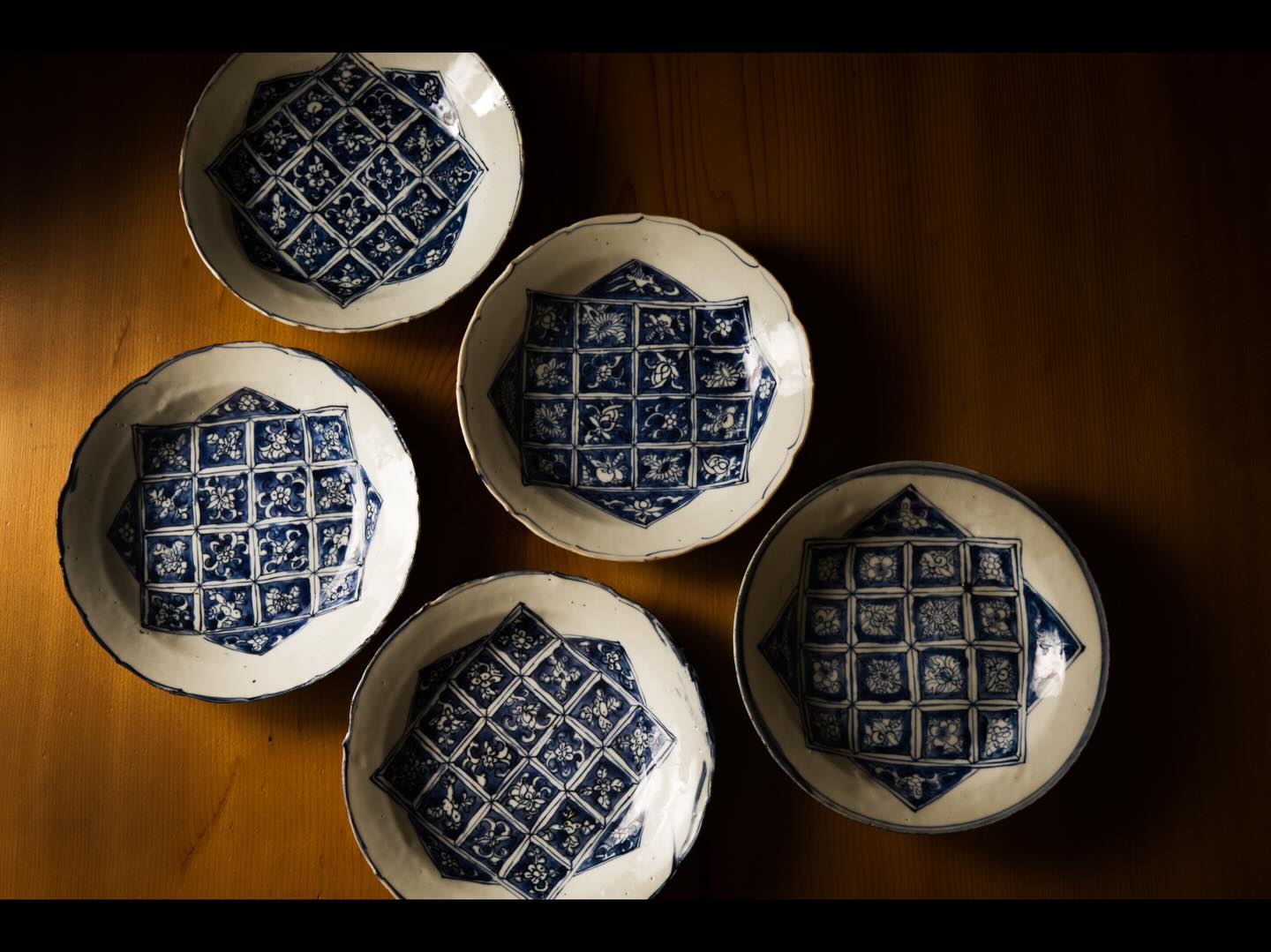 明末期、1620〜1640年代。
中国・景徳鎮で焼かれた【古染付】
当時の景徳鎮では、
宮廷のための器とは別に、
日本向けに別注された器が造られていました。
線は均一ではなく、
絵付けもどこか自由で、即興的。
けれど、料理を受け止める懐は深い。
四百年を経た今も、
料理と向き合うための器として、
自然にそこにあります。
Late Ming dynasty, circa 1620–1640.
Kosome-tsuke porcelain fired in Jingdezhen, China.
At that time in Jingdezhen,
alongside wares made for the imperial court,
there were vessels specially commissioned for Japan.
The lines are not perfectly uniform,
the brushwork free and almost improvisational.
Yet each piece holds food with quiet generosity
and a deep sense of balance.
Even after four hundred years,
they remain naturally present
as vessels meant to face cuisine itself.
#豪龍久保
#日本料理
#古染付
#明末期
#梶古美術
-
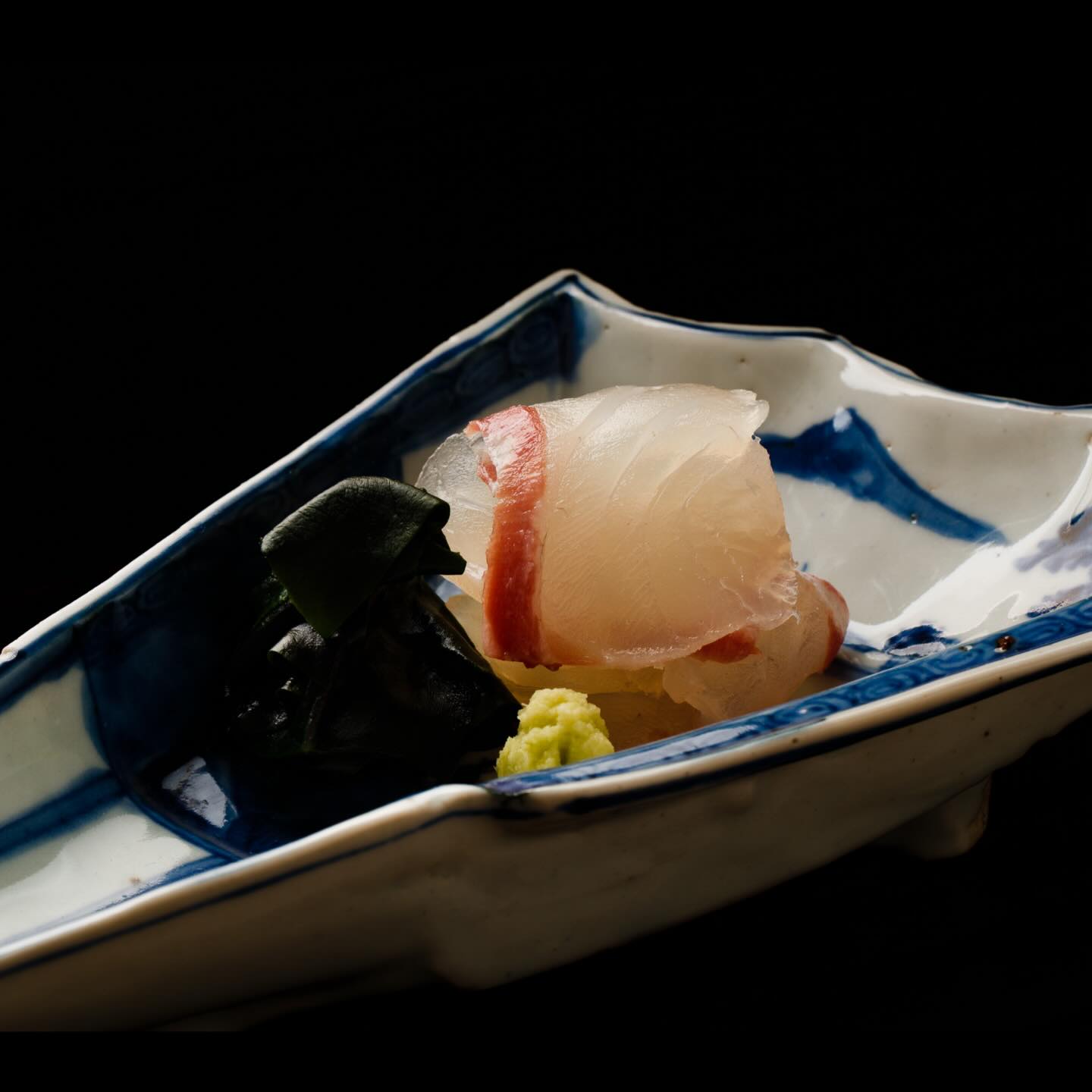 料理は、器の上で完成するものではありません。
器と向き合った瞬間から、すでに始まっています。
約四百年前
明末期に景徳鎮で焼かれた古染付。
日々の食のために生まれた磁器の線と余白が、今も静かに残っています。
料理を多く語らせない。
ただ受け止め、支える。
磁肌の揺らぎや、
絵付けの呼吸が自然に立ち上がる瞬間があります。
料理を飾るための器ではなく、
長い時間の中で、料理と並走してきた存在として。
使い続けられてきた理由は、
そうした静けさの中にこそ宿っているのだと思います。
A dish is not completed on the plate.
It begins the moment we face the vessel.
Nearly four hundred years ago,
sometsuke porcelain was fired in Jingdezhen during the late Ming period.
Its lines and spaces, born for everyday use, remain quietly present today.
These vessels do not speak loudly.
They receive, and they support.
The surface begins to breathe —
the porcelain and the brushwork revealing themselves in time.
Not to decorate cuisine,
but to move alongside it through centuries.
The reason these vessels have endured
reveals itself in that quiet presence.
#豪龍久保
#日本料理
#古染付
#明末期
#梶古美術
-
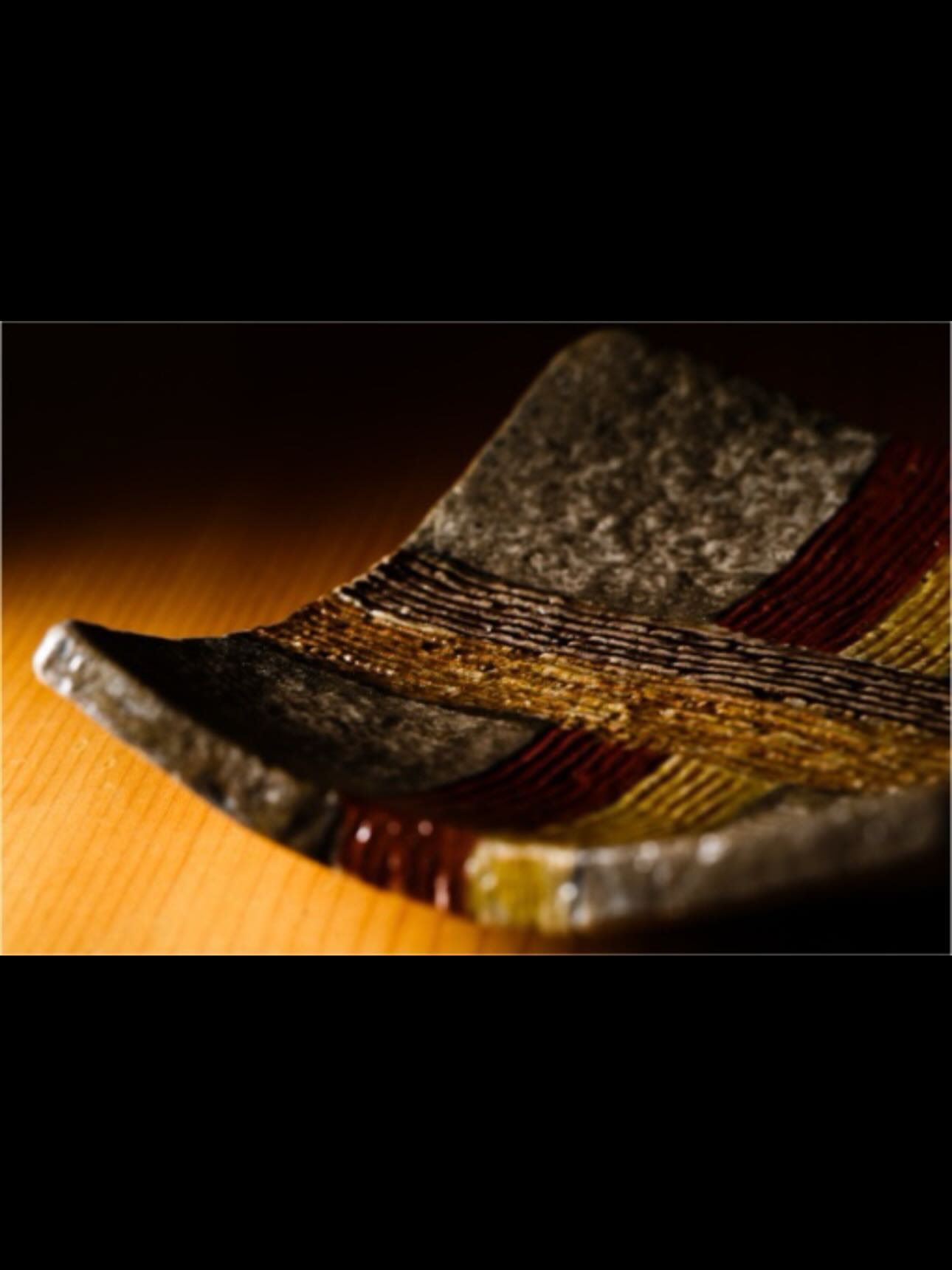 北大路魯山人は、
「器は料理の着物である」と語りました。
器は主役ではなく、
料理を最も美しく見せるために存在するもの。
色、形、余白、質感――
それらは味や香り、季節感と呼応し、
一皿の印象を静かに完成へ導きます。
一方で、魯山人の器には
必ずといっていいほど“遊び”があります。
わずかな歪み、意外な色使い、
計算の中に忍ばせた軽やかさ。
料理を引き立てながら、
盛り手の感性を刺激する器。
だからこそ、
料理、器、空間が響き合ったとき、
食は単なる行為を超え、体験になる。
Rosanjin Kitaoji once said,
“Vessels are the clothing of cuisine.”
A vessel is not meant to lead.
Its role is to reveal the dish at its most beautiful.
Color, form, texture, and space
resonate quietly with flavor, aroma, and season,
bringing a dish to completion.
Yet Rosanjin’s vessels always carry a sense of play —
a subtle distortion, an unexpected tone,
a lightness hidden within precision.
They elevate cuisine,
while challenging the sensibility of the chef.
When cuisine, vessel, and space align,
dining becomes an experience.
#豪龍久保
#北大路魯山人
#日本料理
#器の美学
#梶古美術
-
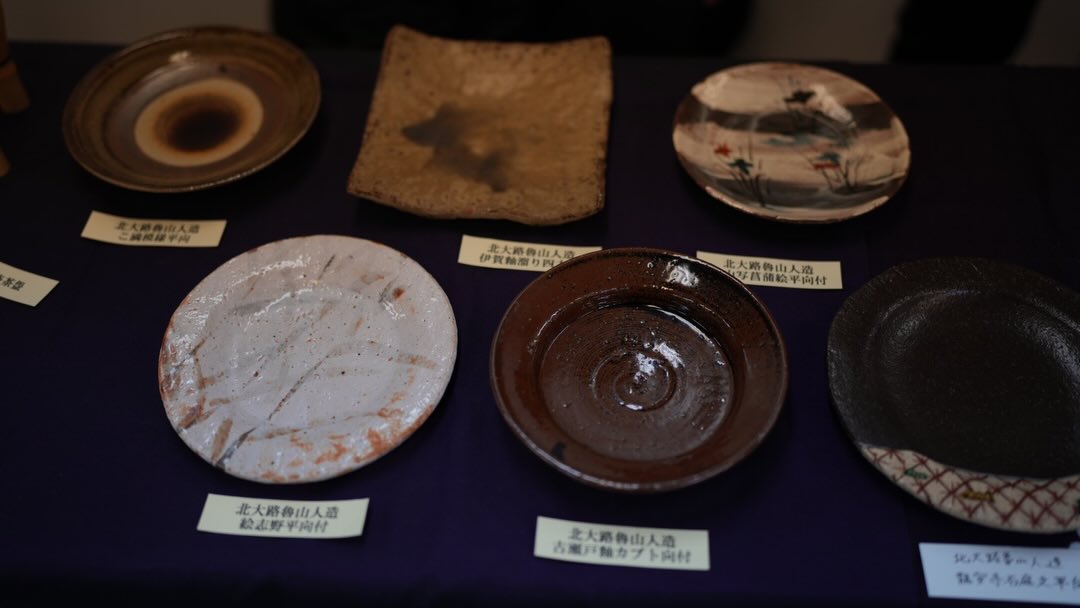 本日、京都の[梶古美術]さんが主催されている【美にふれる】の会に参加いたしました。
豪龍久保では、毎回この会に参加させていただいております。
骨董や茶の世界に触れながら、器の歴史や扱い、そして一つひとつの所作に宿る意味を学ぶ時間。
実際に名碗で抹茶を点てる体験を通し、
「美」とは形ではなく、向き合い方にあることを改めて感じました。
こうした学びは、店に関わる全員の日々の仕事や所作に、
静かに反映されていきます。
これからも、積み重ねを大切にしてまいります。
Today, we attended “Bi ni Fureru,”
a lecture and tea gathering hosted by Kajiko Art in Kyoto.
Through antique vessels and the practice of tea,
we had the opportunity to learn about history, proper handling,
and the meaning found in each mindful movement.
Preparing matcha in distinguished tea bowls reminded us that
true beauty lies not in form, but in how we engage with what is before us.
These experiences quietly shape the way our entire team works and moves each day.
We continue to value learning through steady, thoughtful practice.
#豪龍久保
#美にふれる
#梶古美術
#日本料理
#器