
-
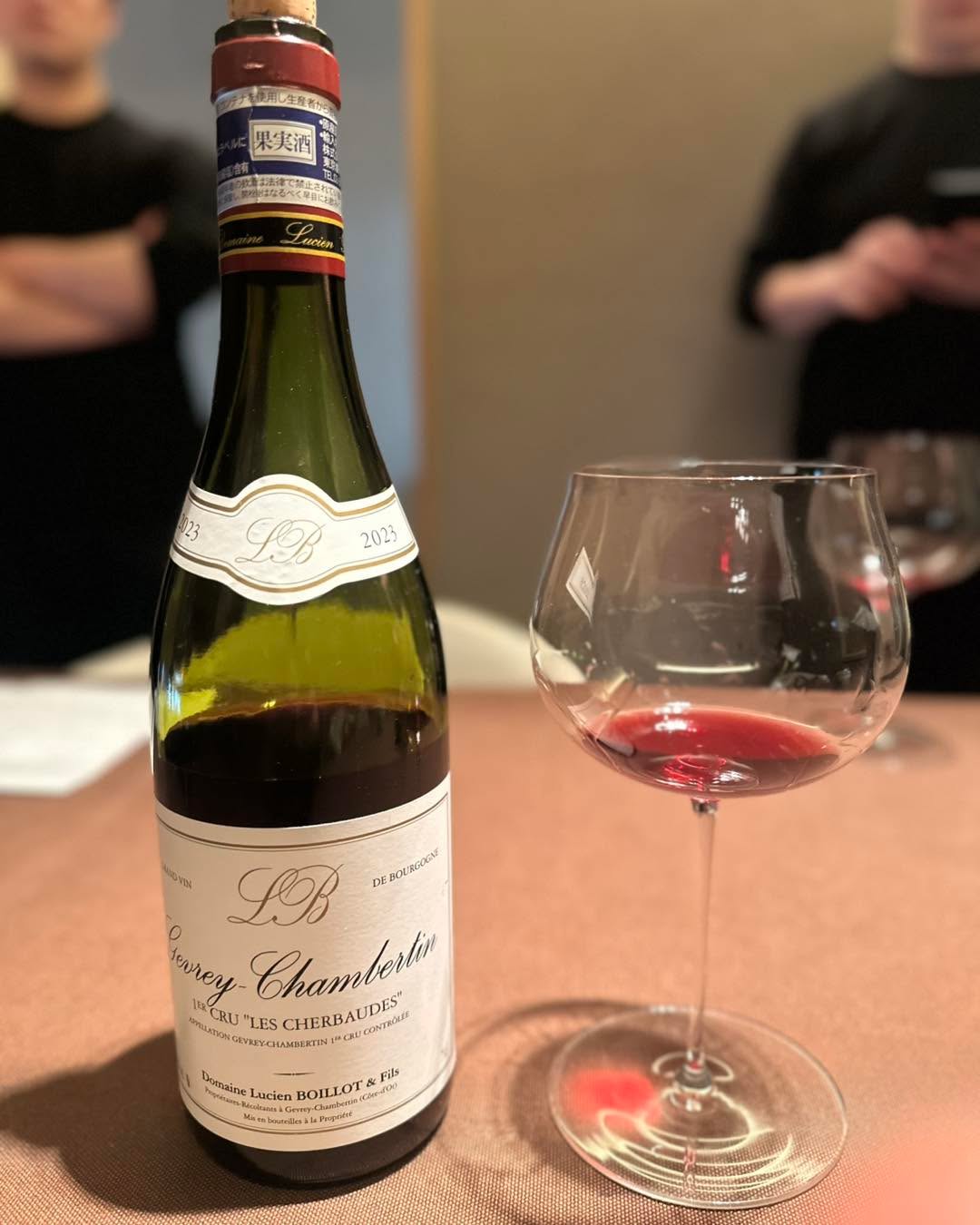 本日も、ワインを学ぶ時間でした。
料理に合わせる一本は、
銘柄ではなく、質感や余韻で選びます。
日々の試飲も、
店の味を整える大切な仕事です。
A quiet tasting session today.
When choosing a wine for our cuisine,
we look beyond the label
and focus on texture, balance, and finish.
Tasting is also part of the work in shaping the table.
#豪龍久保
#日本料理
#ブルゴーニュワイン
#finesswinejapan
#ワインテイスティング
-
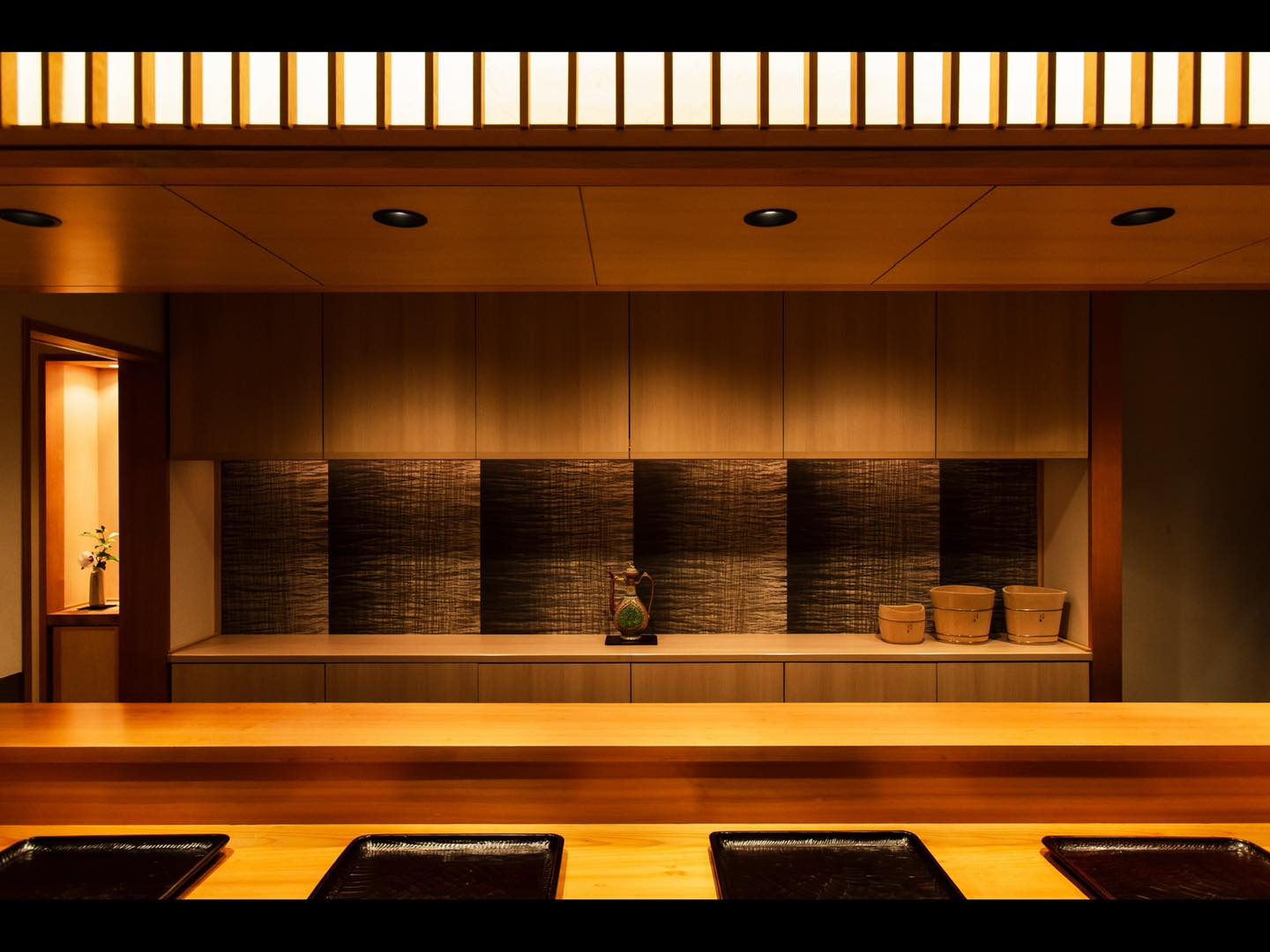 笄町 豪龍久保。
六席の小さなカウンター。
新政とブルゴーニュ、炭火の料理。
#豪龍久保
#笄町豪龍久保
#日本料理
#新政
#ブルゴーニュワイン
-
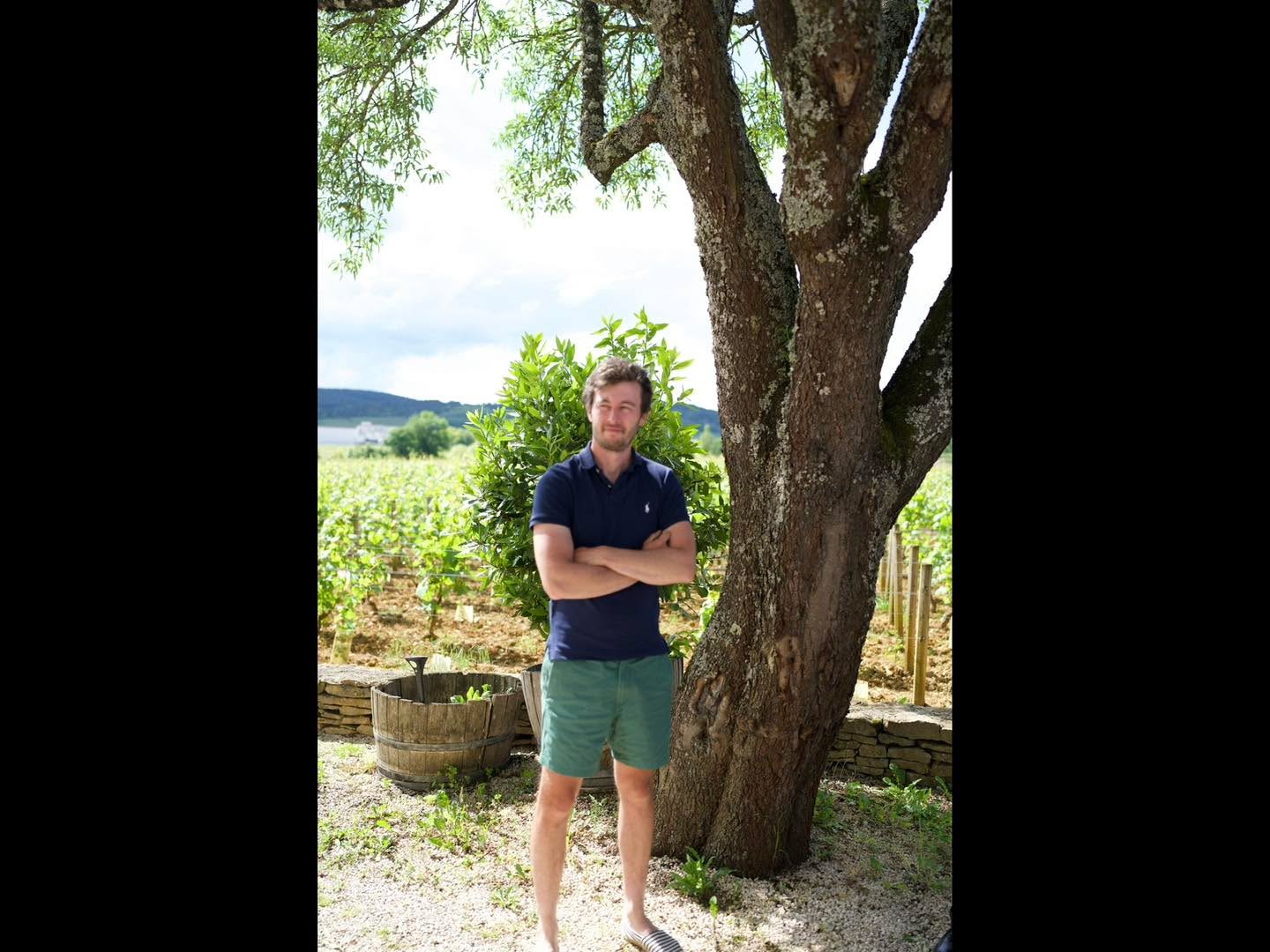 若い生産者ですが、
目指しているものはとても古典的でした。
畑の違いを素直に映し、
液体を壊さないことを何より優先する。
新しさよりも、
ワインそのものの静かな輪郭が印象に残ります。
Benjamin Guilbert さん、
ありがとうございました。
⸻
A young domaine,
with a remarkably classical vision.
Rather than chasing efficiency,
they focus on preserving the wine
and letting each site speak naturally.
What remained in memory
was not novelty, but quiet precision.
Thank you, Benjamin Guilbert.
#豪龍久保
#日本料理
#ブルゴーニュワイン
#finesswinejapan
#domaineguilbertgillet
-
 2024年5月、ブルゴーニュ・ヴォルネの
ドメーヌ・マルキ・ダンジェルヴィルを訪ねた。
2023年は果実が豊かで、骨格がはっきりした年。
酸で引き締めるというより、
タンニンと抽出で輪郭を描く構造。
若いうちはやや無骨だが、
区画ごとの個性は明確だった。
タイユピエの直線。
シャンパンの重心。
クロ・デ・デュックの奥行き。
同じ村の中でも、
石や斜面の違いが味わいに現れる。
魚を仕入れるときに海を見るのと同じように、
ワインもまた土地を知ることで見え方が変わる。
我々の料理は、
素材の個性を削らずに骨格を整えることを大切にしている。
ヴォルネの2023年にも、
その姿勢と通じるものを感じた。
料理もワインも、
土地と人の表現である。
In May 2024, we visited
Domaine Marquis d’Angerville in Volnay, Burgundy.
The 2023 vintage shows generous fruit and a clear structure.
Rather than relying on acidity,
its shape is defined by tannin and extraction.
Firm in youth,
yet each parcel already speaks with clarity.
The line of Taillepieds.
The weight of Champans.
The depth of Clos des Ducs.
Even within one village,
differences in stone and slope shape the wine.
Just as we look to the sea when selecting fish,
understanding the land changes how we see wine.
Our cuisine values structure
without diminishing the individuality of each ingredient.
In the 2023 Volnay,
we sensed a similar philosophy.
Both cuisine and wine
are expressions of land and of people.
#豪龍久保
#日本料理とワイン
#ブルゴーニュワイン
#domainemarquisdangerville
#finessewinejapan
-
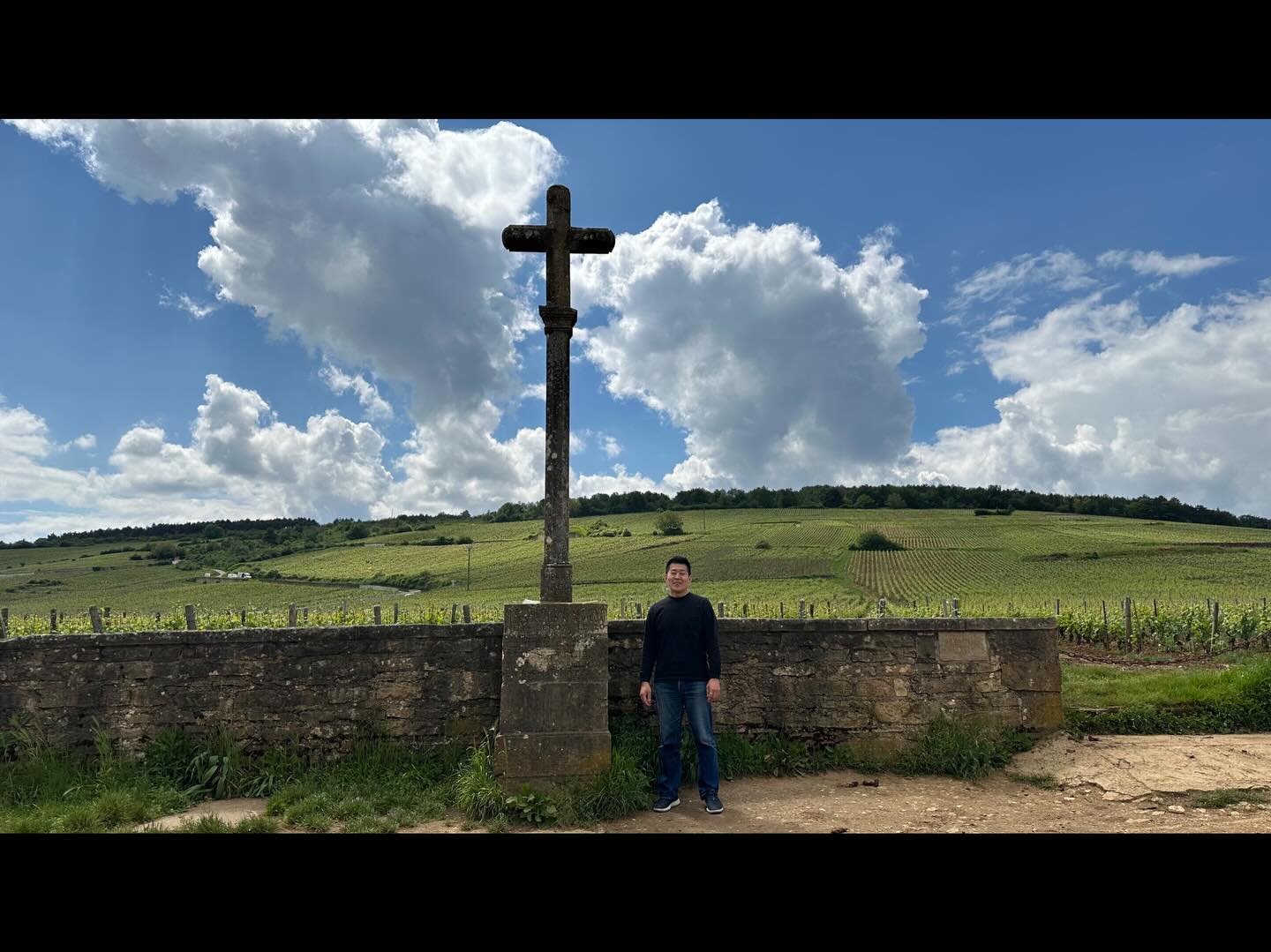 料理人がワインを語るのは、少し違和感があるかもしれません。
本来、ワインはソムリエの領域です。
ですが私は、料理人として、どうしても畑を見たくなります。
葡萄より先に土を見る。
石の多さ、土の乾き方、風の抜け方。
魚を仕入れるときに海を見るのと同じ感覚です。
料理は素材の集積です。
ワインもまた、土地の集積です。
樽の中で眠る液体は、
技術だけではなく、思想が反映されています。
その思想を知らずに、
料理との相性だけを語ることはできない。
造り手と向き合い、土を触り、
畑の空気を吸い込んでからグラスを傾けると、
味わいの輪郭が変わります。
料理人がワインを語る理由。
それは、
料理と同じように、
ワインもまた「土地と人の表現」だからです。
It may feel unusual for a chef to speak about wine.
Traditionally, wine belongs to the realm of sommeliers.
Yet as a chef, I find myself drawn first not to the bottle, but to the vineyard.
Before the grapes, I look at the soil.
The stones, the dryness of the earth, the way the wind moves through the rows.
It is the same instinct I have when I look at the sea before choosing fish.
Cuisine is the accumulation of ingredients.
Wine, too, is the accumulation of a place.
What rests quietly in the barrel reflects not only technique, but philosophy.
Without understanding that philosophy,
one cannot truly speak about harmony with food.
When you stand with the grower,
touch the soil,
and breathe the air of the vineyard before lifting the glass,
the contours of the wine become clearer.
Why does a chef speak about wine?
Because wine, like cuisine,
is an expression of land and people.
#豪龍久保
#日本料理とワイン
#ブルゴーニュワイン
#料理人がワインを語る理由
#terroir
-
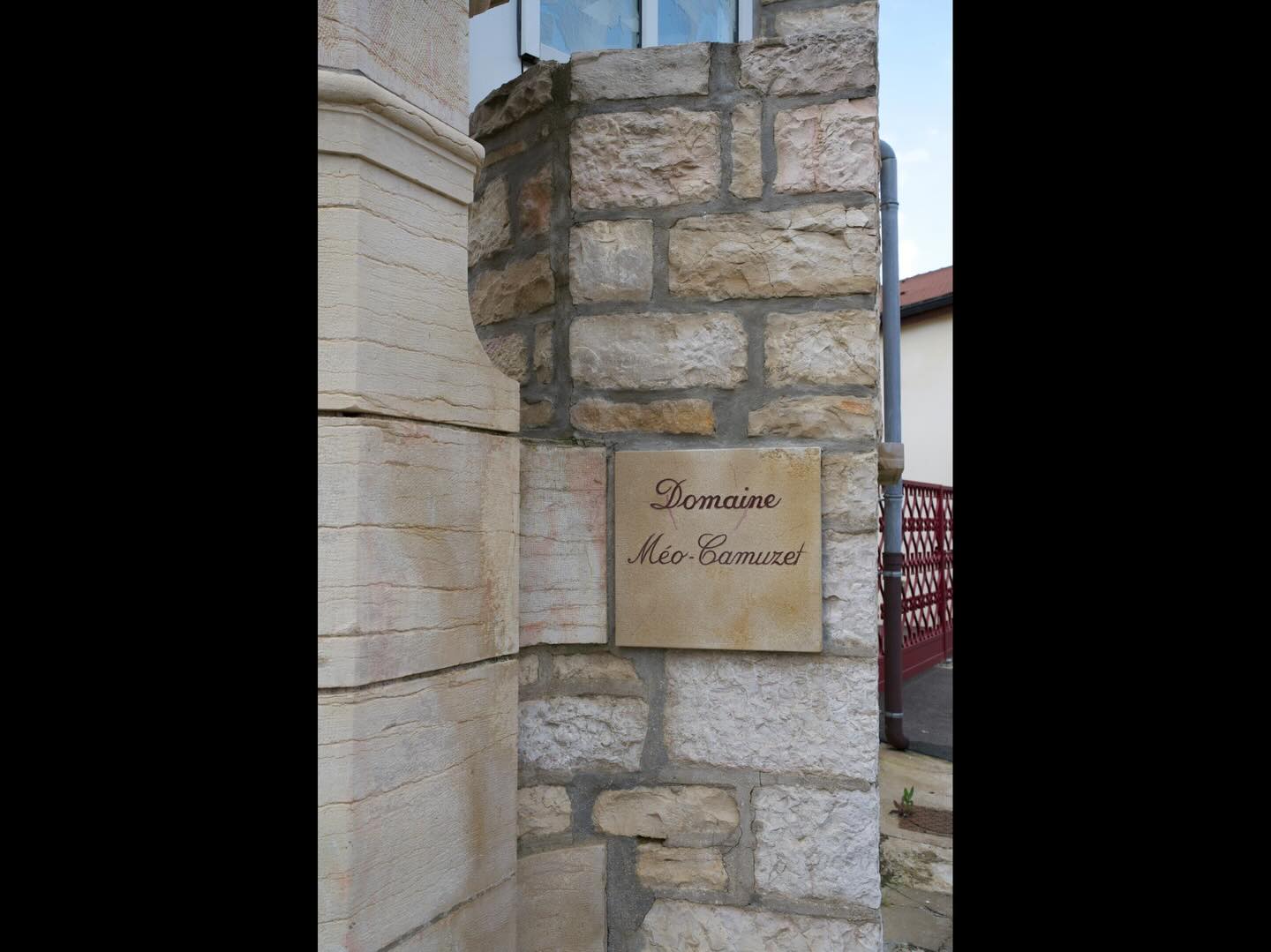 ヴォーヌ・ロマネの静かな通りに佇む
Domaine Méo-Camuzet
石壁に刻まれたその名には、
この地と真摯に向き合ってきた時間が宿っています。
当主ジャン=ニコラ・メオ氏は、
厳格で、実直で、
クラシックという言葉がよく似合う造り手。
畑のこと、区画の背景、
そしてワインの構造について、
一つ一つを丁寧に、時間をかけて語る姿が印象的でした。
言葉は静かでも、
そこにあるのは妥協のない姿勢。
2022年は成熟の年。
果実は十分に熟しながらも、
ワインは甘く重く流れることなく、
明確な輪郭と緊張感を保っています。
若いうちは厳格。
しかしその内側には、
時間をかけて開いていく設計がある。
派手さではなく、構造。
瞬間の快楽ではなく、熟成という時間。
メオ=カミュゼの哲学は、
静かに、しかし確実にグラスの中に現れていました。
In a quiet street of Vosne-Romanée,
Domaine Méo-Camuzet stands with quiet dignity.
The name carved into its stone walls carries the weight of time—
a history deeply rooted in this land.
Jean-Nicolas Méo is known as a strict, serious,
and profoundly classical winemaker.
During our visit, what impressed us most was the way he spoke—
carefully, patiently, and in remarkable detail
about each parcel, its history, and its structure.
His explanations seemed almost endless,
yet never excessive.
It felt instead like a sincere desire
to make us truly understand the land.
The 2022 vintage is a year of maturity.
The fruit reached full ripeness,
yet the wines are neither sweet nor heavy.
They are defined by clarity, structure, and tension.
Strict in youth,
but clearly built for time.
Not about immediate pleasure,
but about architecture and longevity.
The philosophy of Méo-Camuzet
reveals itself quietly—
yet unmistakably—
in the glass.
#豪龍久保
#日本料理とワイン
#ブルゴーニュワイン
#DomaineMeoCamuzet
#finesswinejapan
-
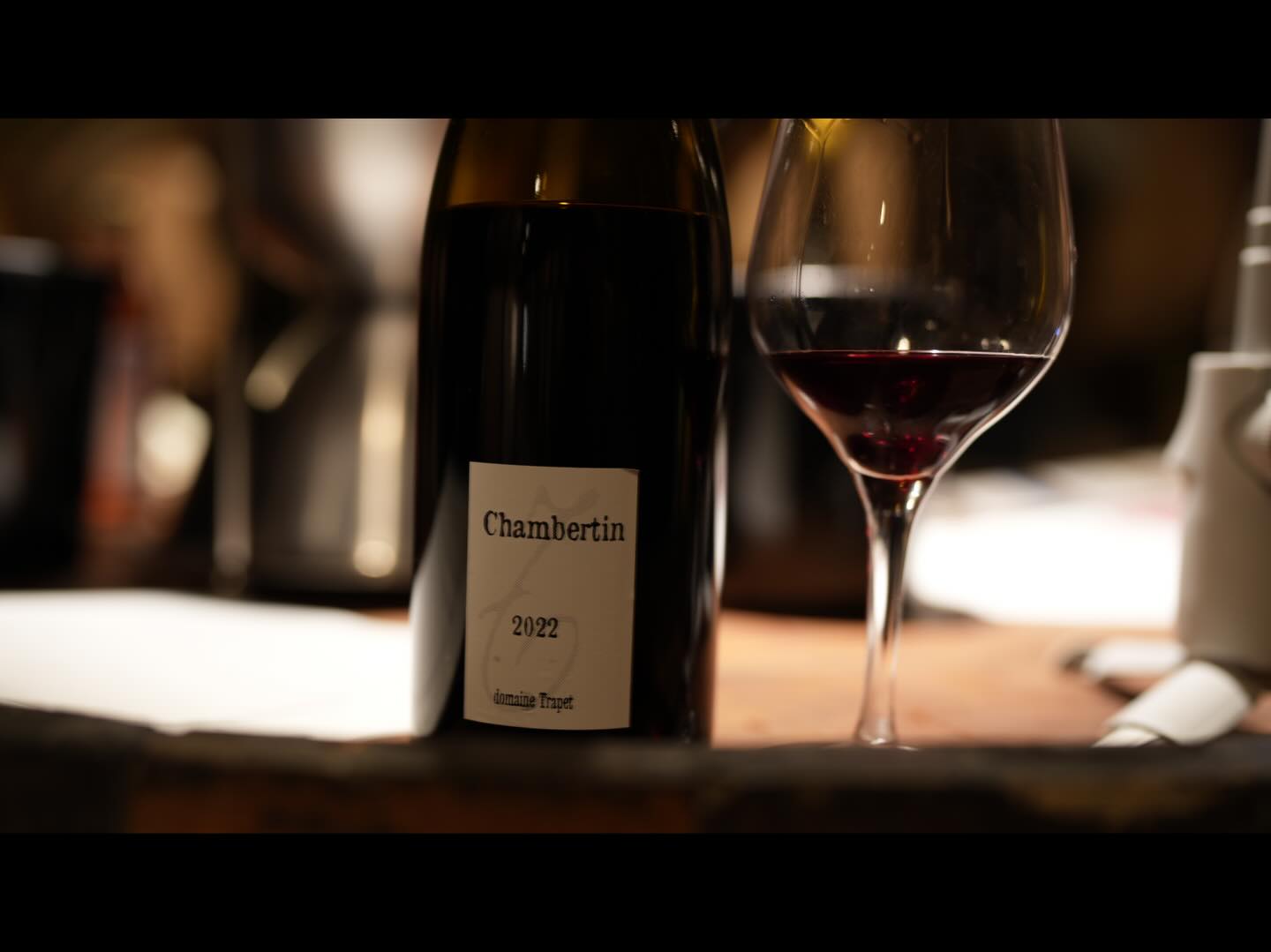 ジュヴレ・シャンベルタンの
Domaine Trapet Père et Fils を訪問しました。
静かなカーヴでの時間は、
畑の話から始まりました。
一つ一つのアペラシオンについて、
驚くほど丁寧に、
そして本当に時間をかけて説明してくれました。
終わりそうで終わらない説明。
けれどそれは冗長なのではなく、
“土地を理解してほしい”という真摯な姿勢そのものだったように思います。
ワインを造るということは、
単に葡萄を発酵させることではなく、
その土地の記憶や歴史を受け継ぐことなのだと、
改めて感じました。
若いうちは閉じていても、
時間とともに本質が現れてくる。
それはワインも、人も、
どこか似ているのかもしれません。
I had the opportunity to visit
Domaine Trapet Père et Fils in Gevrey-Chambertin.
The time in their quiet cellar began with stories of the vineyards.
For each appellation,
they offered explanations with remarkable care
and an extraordinary amount of time.
Just when it seemed the explanation might come to an end,
it continued.
Yet it never felt excessive.
Rather, it felt like a sincere desire
for us to truly understand the land.
Winemaking, I realized once again,
is not simply about fermenting grapes.
It is about carrying forward
the memory and history of a place.
Even if a wine feels closed in its youth,
its true character reveals itself with time.
In that sense,
wine and people may not be so different.
#豪龍久保
#日本料理とワイン
#ブルゴーニュワイン
#DomaineTrapet
#finesswinejapan
-
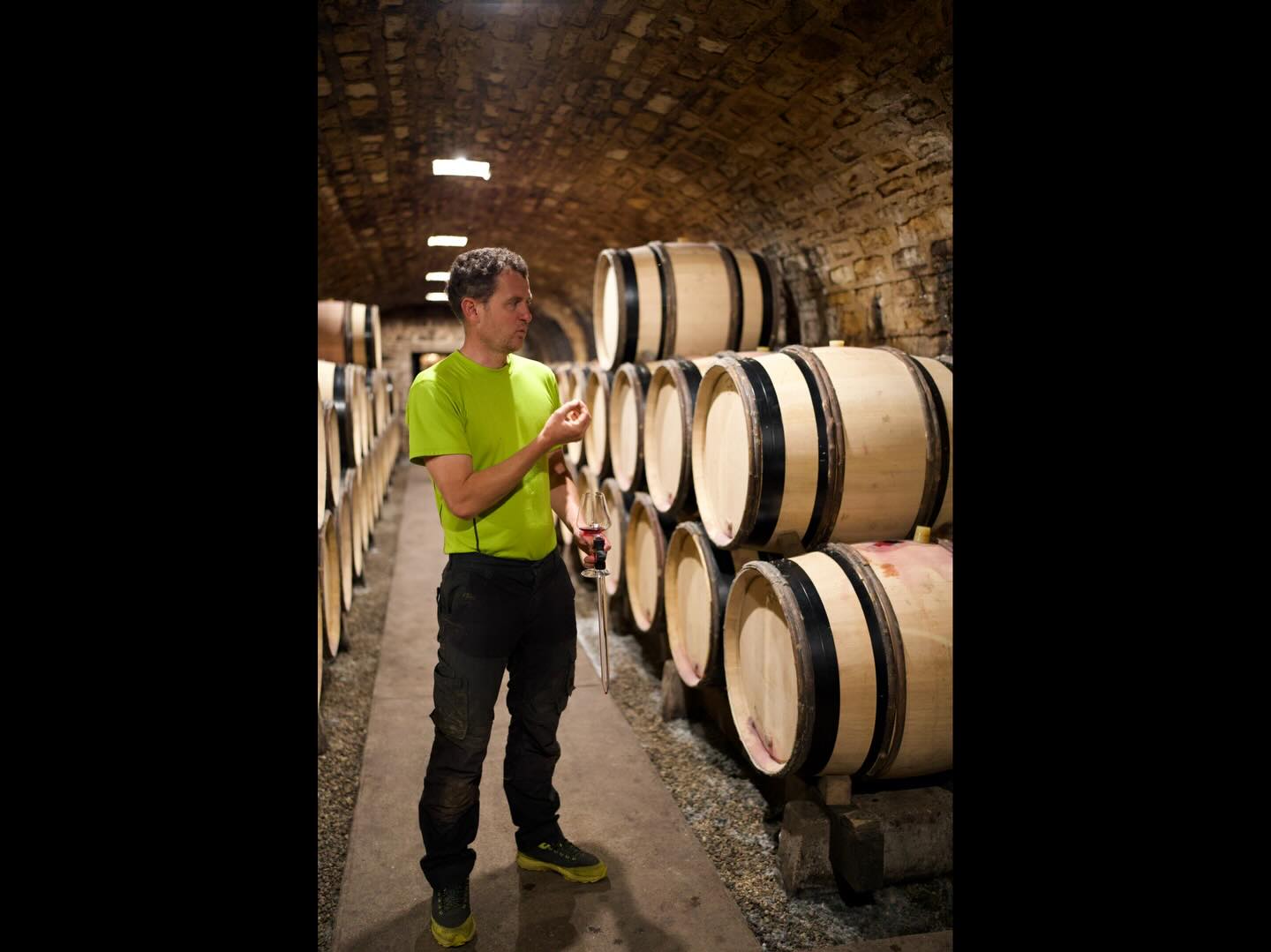 ジュヴレ=シャンベルタンを代表する造り手、
Claude Dugat を訪ねました。
蔵(カーヴ)にて、2023年ヴィンテージを樽試飲。
派手さを追わず、精度と本質を重んじる姿勢は終始一貫。
「ピノ・ノワールは、やりすぎれば下品になる」
目指すのは、まっすぐでクラシックな品格。
日本料理への深い共感――
几帳面さ、相手に負担をかけない感覚、素材を尊ぶ思想。
ワインと料理は、どちらかが主張しすぎてはいけない。
流行ではなく、時代を超えて残るものをつくり続ける。
その静かな哲学は、私たちの料理とも自然に重なっていました。
We visited Claude Dugat,
a benchmark producer of Gevrey-Chambertin.
Tasting the 2023 vintage from barrel,
his philosophy was clear—precision over excess.
“Pinot Noir becomes vulgar when pushed too far.”
The goal is classic structure and quiet dignity.
He spoke with deep respect for Japanese cuisine—
discipline, restraint, and honoring the ingredient.
Wine and food should never dominate one another.
Not trends, but values that endure.
A philosophy that resonates closely with our own approach to cuisine.
#豪龍久保
#日本料理とワイン
#ブルゴーニュワイン
#ClaudeDugat
#finesswinejapan
-
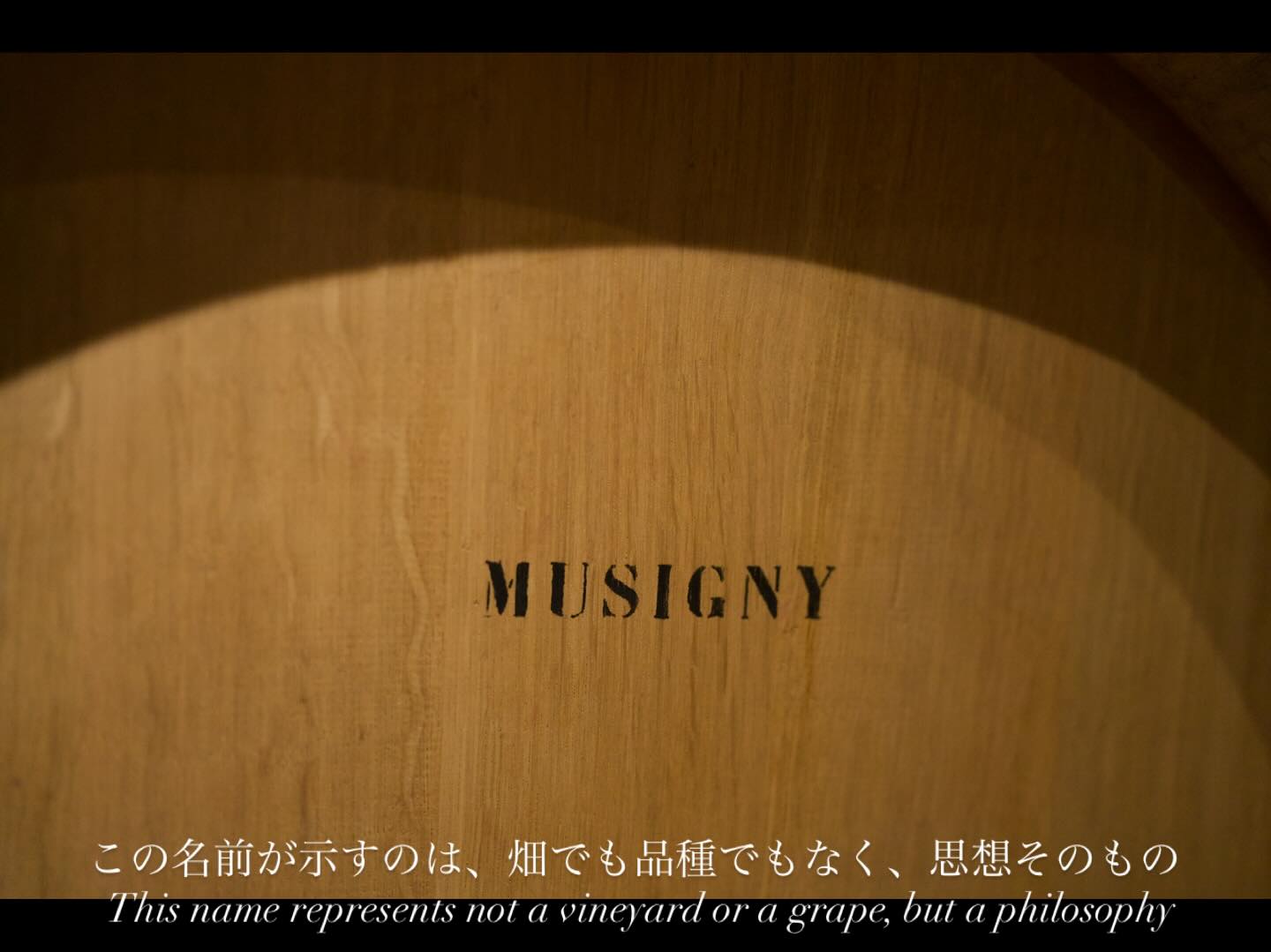 ブルゴーニュ滞在の中で訪れた
Domaine Georges Roumier。
蔵内(カーヴ)で向き合ったワインは、
単に味わいを確認するためのものではなく、
造り手の考え方や姿勢に触れるための時間でした。
Christophe Roumier 氏の
丁寧で優しく、そして情熱のこもった説明に導かれ、
2023年ヴィンテージを樽試飲しながらの時間は、
気づけば3時間を超えるものとなっていました。
言葉の端々や所作から伝わってくるのは、
誠実に、真摯にワインと向き合い続けてきた姿勢そのものです。
多くの人に愛され、
世界中にファンがいる理由は、
ワインの完成度だけでなく、
そうした人としての在り方にもあるのだと感じます。
ワインは、土地や時間だけでなく、
造り手の人柄までも映し出すもの。
そのことを、改めて実感する訪問となりました。
During my time in Burgundy,
I visited Domaine Georges Roumier.
Tasting the wines in the cellar was not simply about assessing flavors,
but about engaging with the philosophy and attitude behind them.
Guided by Christophe Roumier’s gentle, thoughtful,
and deeply passionate explanations,
the tasting of the 2023 vintage from barrel
naturally extended to more than three hours.
Through his words and demeanor,
one could clearly sense the sincerity and dedication
he brings to his work.
The reason these wines are loved by so many around the world
lies not only in their quality,
but also in the character of the person who makes them.
Wine reflects not only land and time,
but also the humanity of its maker —
a truth that this visit once again affirmed.
#豪龍久保
#日本料理とワイン
#ブルゴーニュワイン
#domainegeorgeroumier
#finessewinejapan
-
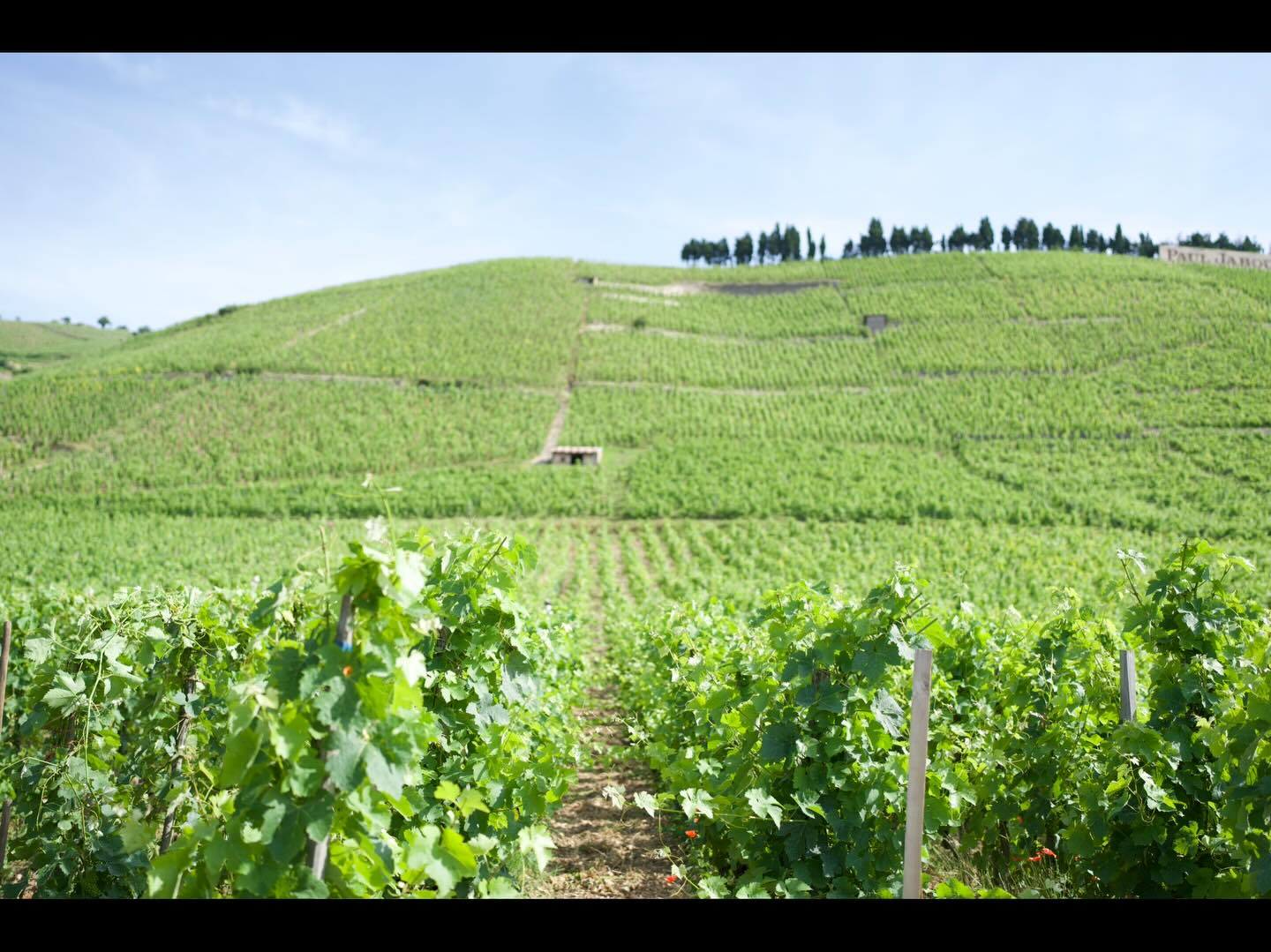 2024年5月から6月にかけて、
私はフランスを訪れ、
ブルゴーニュを中心にローヌ、シャンパーニュの
ワイン生産者を訪ねて歩きました。
畑に立ち、蔵に入り、
造り手の言葉に耳を傾けながらワインと向き合う時間は、
土地と時間、そして思想を深く知る機会となりました。
今回の訪問では、2022、2023年ヴィンテージを樽、そして一部はボトルで試飲し、その背景にある考え方や姿勢を学びました。
今年、2023 ヴィンテージがリリースされるこのタイミングで、
現地で見て、聞いて、感じたことを少しずつ共有していきます。
ワインそのものだけでなく、
その背景にある姿勢や考え方を、
日々の仕事へと還元していけたらと思います。
From May to June 2024,
I traveled through France,
visiting wine producers primarily in Burgundy,
as well as the Rhône and Champagne regions.
Standing in the vineyards, stepping into the cellars,
and listening closely to the voices of the winemakers,
I was given the opportunity to deeply understand
the land, the passage of time, and the philosophy behind each wine.
During this journey, I tasted the 2022 2023 vintage—
mainly from barrel, and in some cases from bottle—
while learning about the ideas and intentions that shape each wine.
As the 2023 vintage begins to be released this year,
I would like to gradually share what I saw, heard,
and truly felt during these visits.
Beyond the wines themselves,
I hope to bring the mindset and values behind them
into my daily work.
#豪龍久保
#日本料理とワイン
#ブルゴーニュワイン
#食の哲学
#フィネスワイン
-
 11/30 弟子ワイン会
西麻布【豪龍久保】の竹内裕哉がこれまでに培った経験をもとに、より高みを目指すべく新たにチャレンジを行います。
豪龍久保に7年勤めている竹内裕哉が、自身で献立を立て、通常営業の豪龍久保ではできない【ワイン会】形式の食事会を定期的に開催します。
ワインは豊富なバックストックから季節や御料理に合わせてご提供いたします。今回のテーマは2015年ヴィンテージのピノ・ノワールです。ブルゴーニュの生産者さんによって色々と飲み比べることにより、テロワールを探求していきましょう。
※参加ご希望の方はDMもしくは050-3188-0535までご連絡くださいませ。
【日時】 2022年 11月 30日 水曜日
18時 30分から 一斉スタート
【参加費】50,000円
*お支払いは当日現金にてお承り致します。
【人数】 12名様
カウンター8名様
個室 4名様
【ワインリスト】
◎ブルーノ・パイヤール / エクストラ・ブリュット・プルミエール・キュヴェ
〇D. ブノワ・アント / ブルゴーニュ・アリゴテ 2017
〇D. メオ=カミュゼ / ブルゴーニュ・オート・コート・ド・ニュイ・クロ・サン=フィリベール 2017
●D. ロベール・シュヴィヨン / ニュイ=サン=ジョルジュ・1er・レ・シェニョ 2015
●D. ジョルジュ・ミュニュレ=ジブール / ニュイ=サン=ジョルジュ・1er・レ・ヴィーニュ・ロンド 2015
●D. ド・ラルロ / ニュイ=サン=ジョルジュ・1er・クロ・デ・フォレ・サン=ジョルジュ 2015
●オリヴィエ・バーンスタイン / ジュヴレ=シャンベルタン 2015
●D. ジョルジュ・ルーミエ / シャンボル=ミュジニー 2015
●D. マルキ・ダンジェルヴィーユ / ヴォルネ・1er・カイユレ 2015
●ブリューノ・デゾネ=ビセイ / ヴォーヌ=ロマネ・1er・レ・ボーモン 2015
●ブリューノ・デゾネ=ビセイ / エシェゾー VV 2015
●リシャール・マニエール / エシェゾー 2015
*おひとり様でのご参加も歓迎いたします。
◆18:30の一斉スタートです(遅れた方にはお料理やワインを一部ご提供できない場合もございます)。
◆お食事中に関して、電話などによる度重なる離席はご遠慮ください。
◆香水やオーデコロンをつけてのご来店はお控え下さい。
◆定員になり次第、締め切らせていただきます。またキャンセルにつきましても、貸切ワイン会である都合上、出来る限りお控えいただきますようお願い申し上げます。
◆ブショネなど不可抗力の問題につきましては当日対応させていただきますが、全く同じワインでの対応は致しかねませんので、ご了承くださいませ。
#日本料理 #和食 #豪龍久保 #ワイン会 #ブルゴーニュワイン #nihonryori #washoku #japanese #japanesecuisine #japanesefood #goryukubo #wine
-
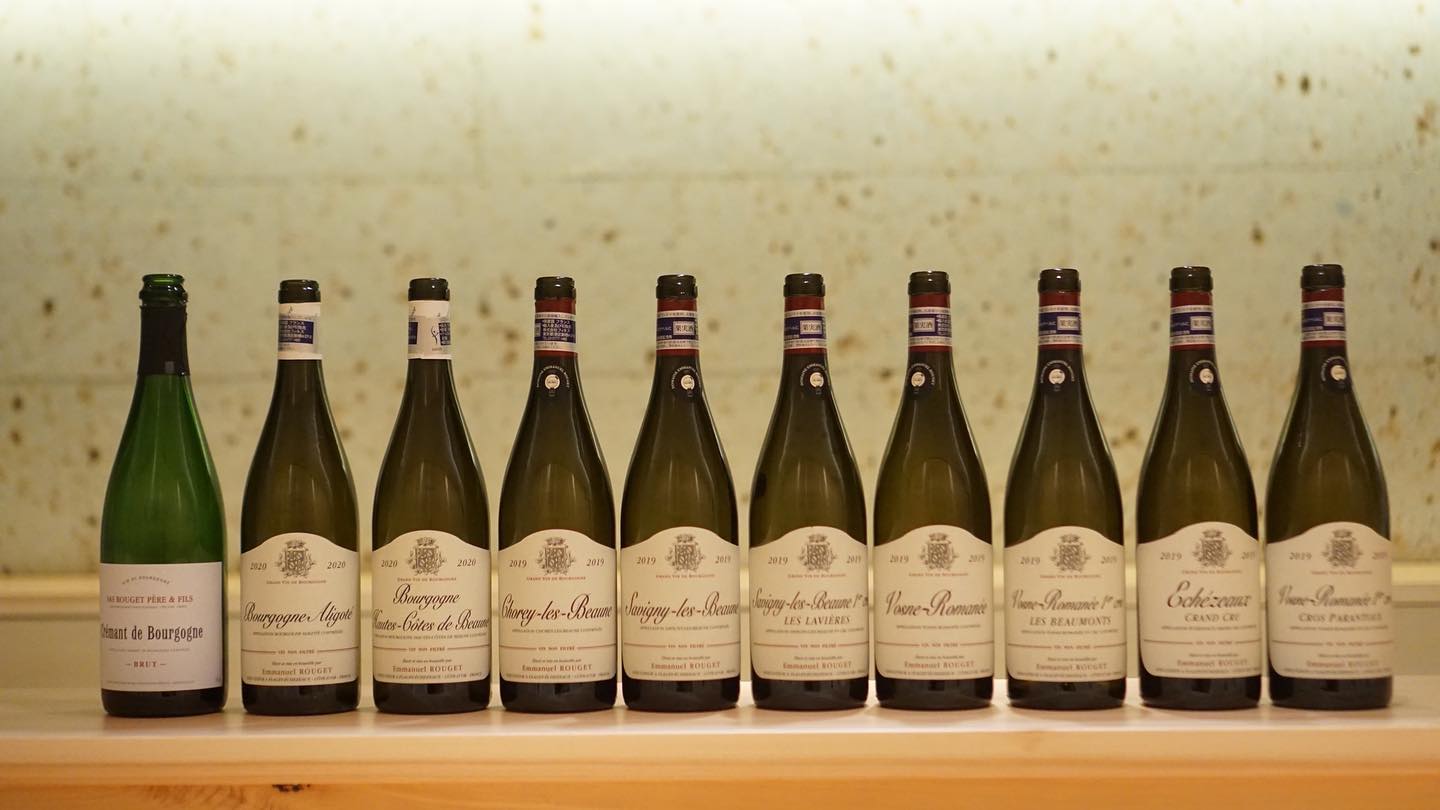 エマニュエル・ルジェ会
明日9/9は貸切ワイン会。キャンセルがあり再募集、、、したつもりでしたが、忘れていました。明日18:00〜
個室2名様のみ空きがございます。DMでも直接電話050-3188-0535でも構いません。何卒お願い申し上げます。
※おひとりさま100,000円(ワイン代、お食事代、税込、サービス料込)です。画像はイメージです。ご予約が入りましたら、この投稿は削除いたします。
N.V. ルジェ P&F / クレマン・ド・ブルゴーニュ・ブリュット
2019 ルジェ P&F / ラドワ
2019 ルジェ P&F / ラドワ・プルミエ・クリュ・レ・グレション
2019 エマニュエル・ルジェ / ブルゴーニュ・オート=コート・ド・ニュイ
2019 ジョルジュ・ジャイエ / ニュイ=サン=ジョルジュ
2019 エマニュエル・ルジェ / ヴォーヌ=ロマネ
2019 エマニュエル・ルジェ / ヴォーヌ=ロマネ・レ・ボーモン
2019 エマニュエル・ルジェ / エシェゾー
2019 ジョルジュ・ジャイエ / エシェゾー
#日本料理 #和食 #豪龍久保 #エマニュエルルジェ #ワイン #ブルゴーニュ #ワイン会 #nihonryori #washoku #japanese #japanesecuisine #japanesefood #goryukubo
-
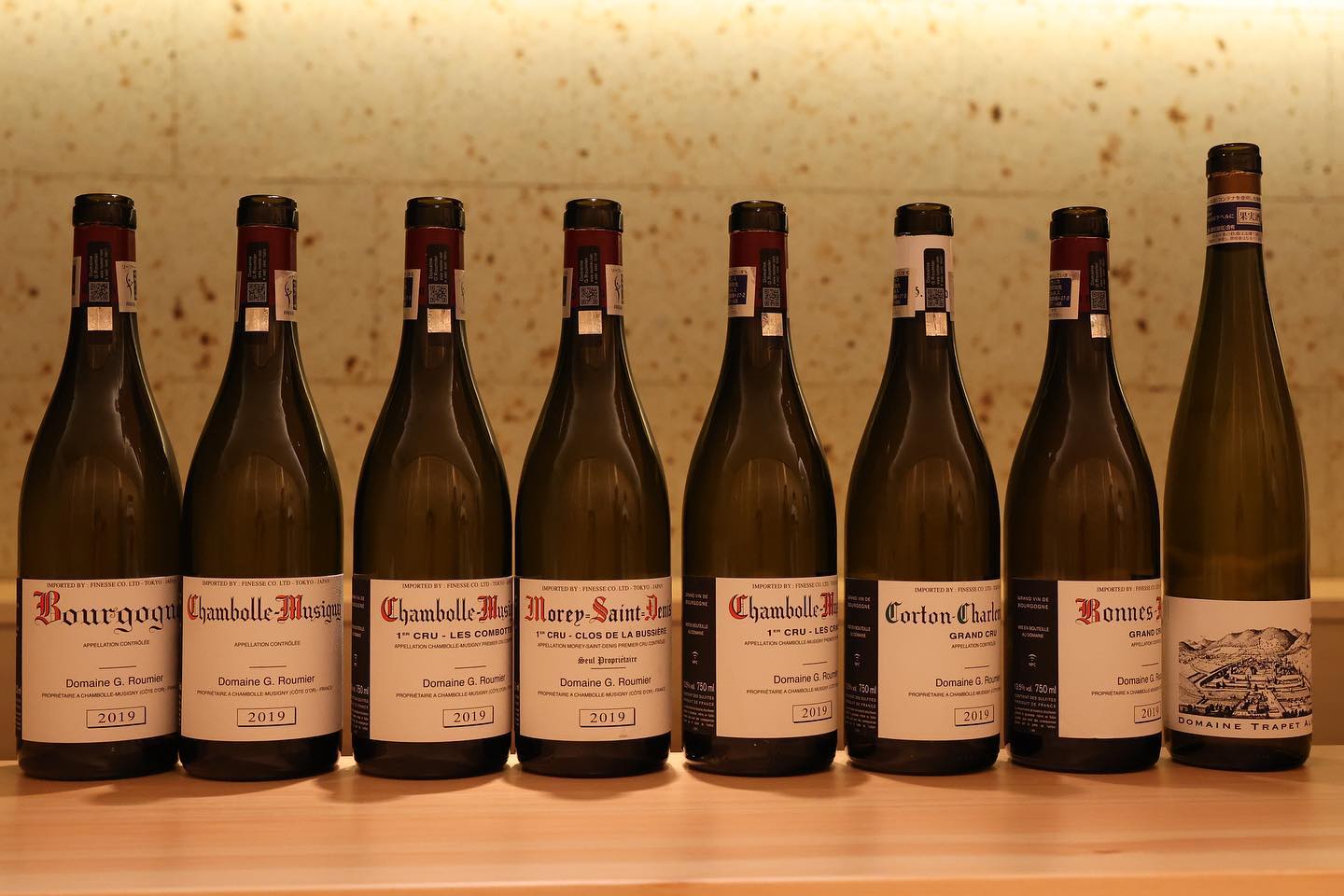 ジョルジュ・ルーミエ会
初夏の食材とジョルジュ・ルーミエさんのワイン、最高でした。ご参加いただきました皆様、ありがとうございました。
#日本料理 #和食 #豪龍久保 #ジョルジュルーミエ #ブルゴーニュ #ワイン #nihonryori #washoku #japanese #japanesecuisine #japanesefood #goryukubo