2026.02.24

「違いを焼くことは、自分を更新することでもある」

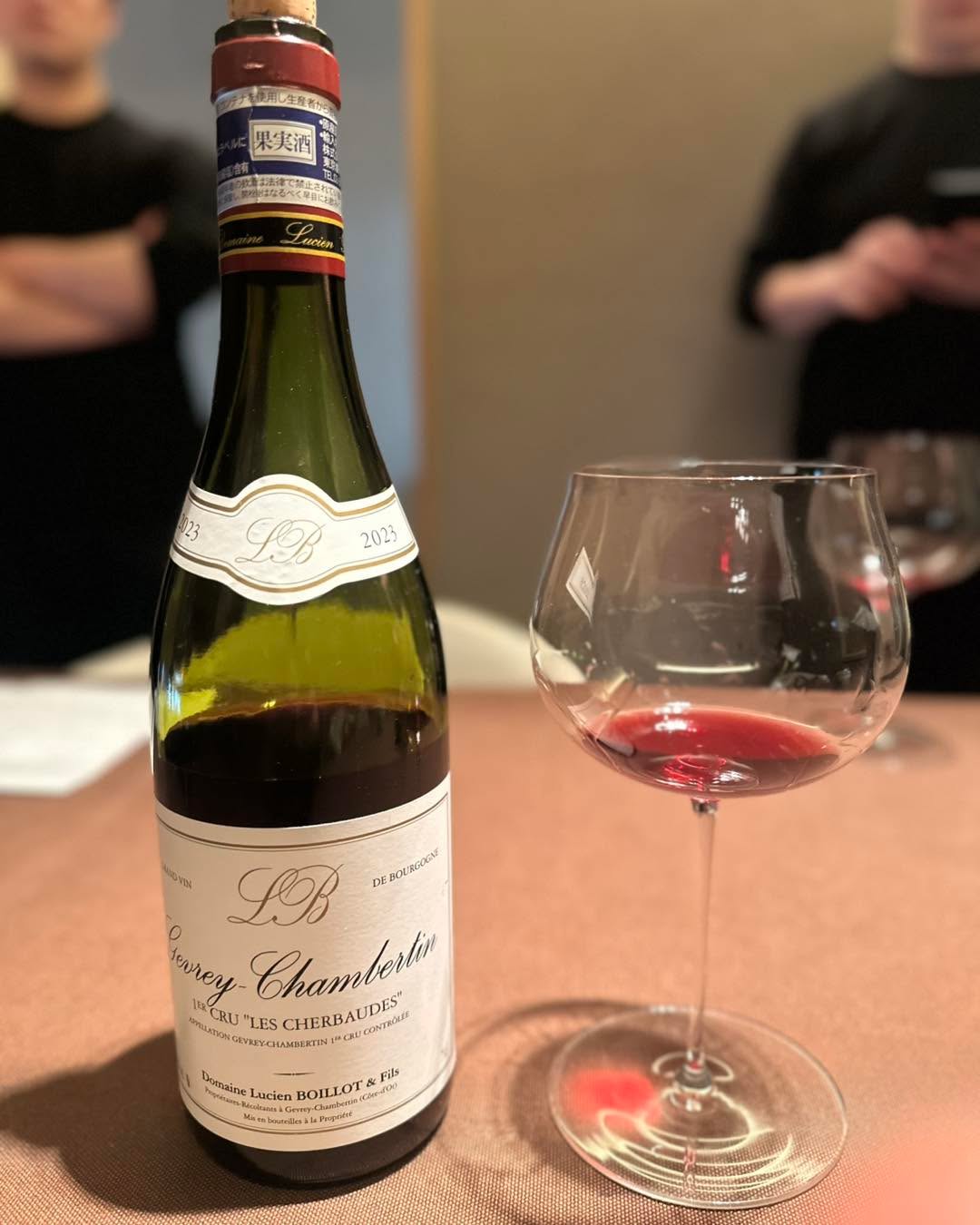
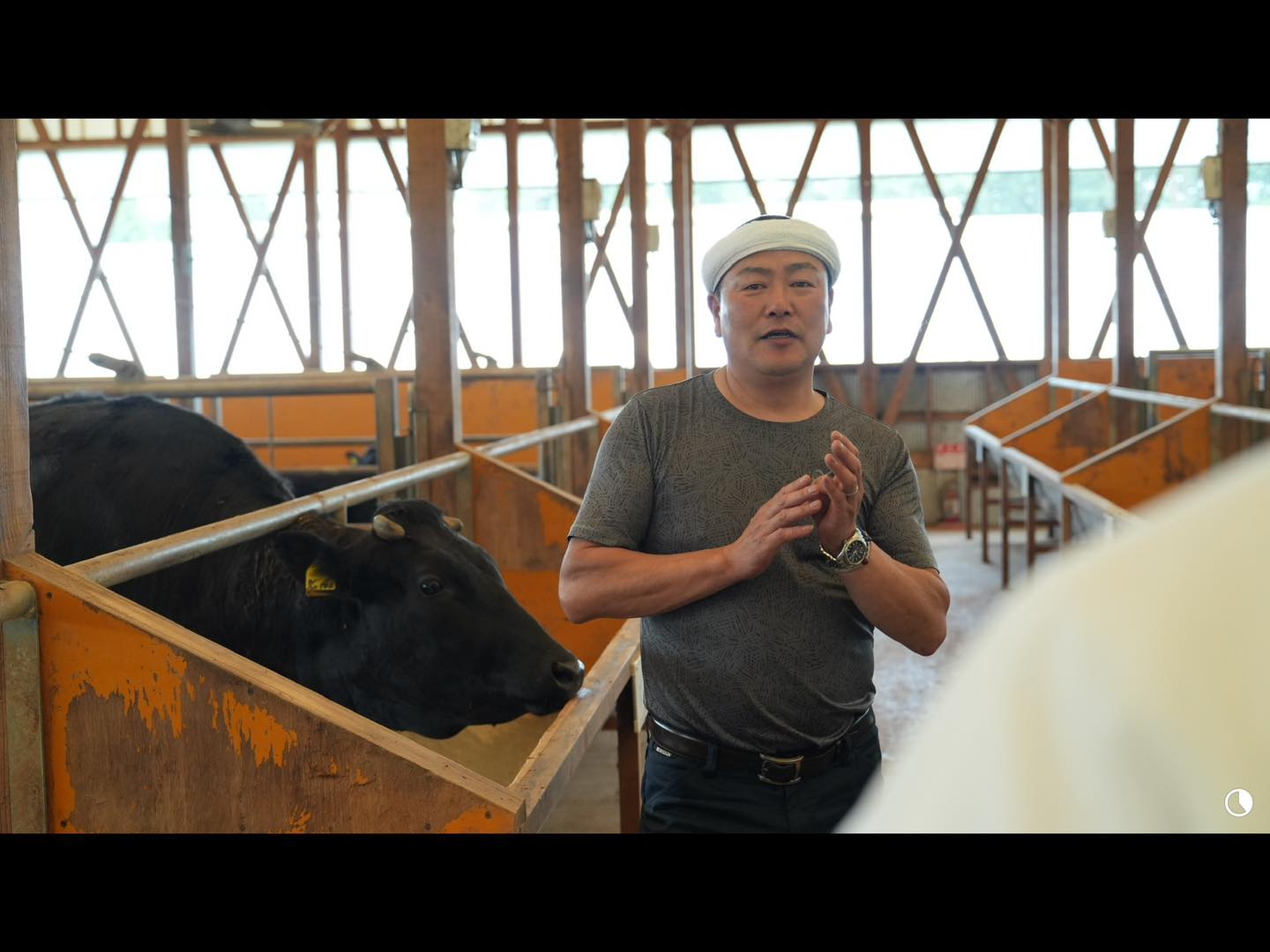
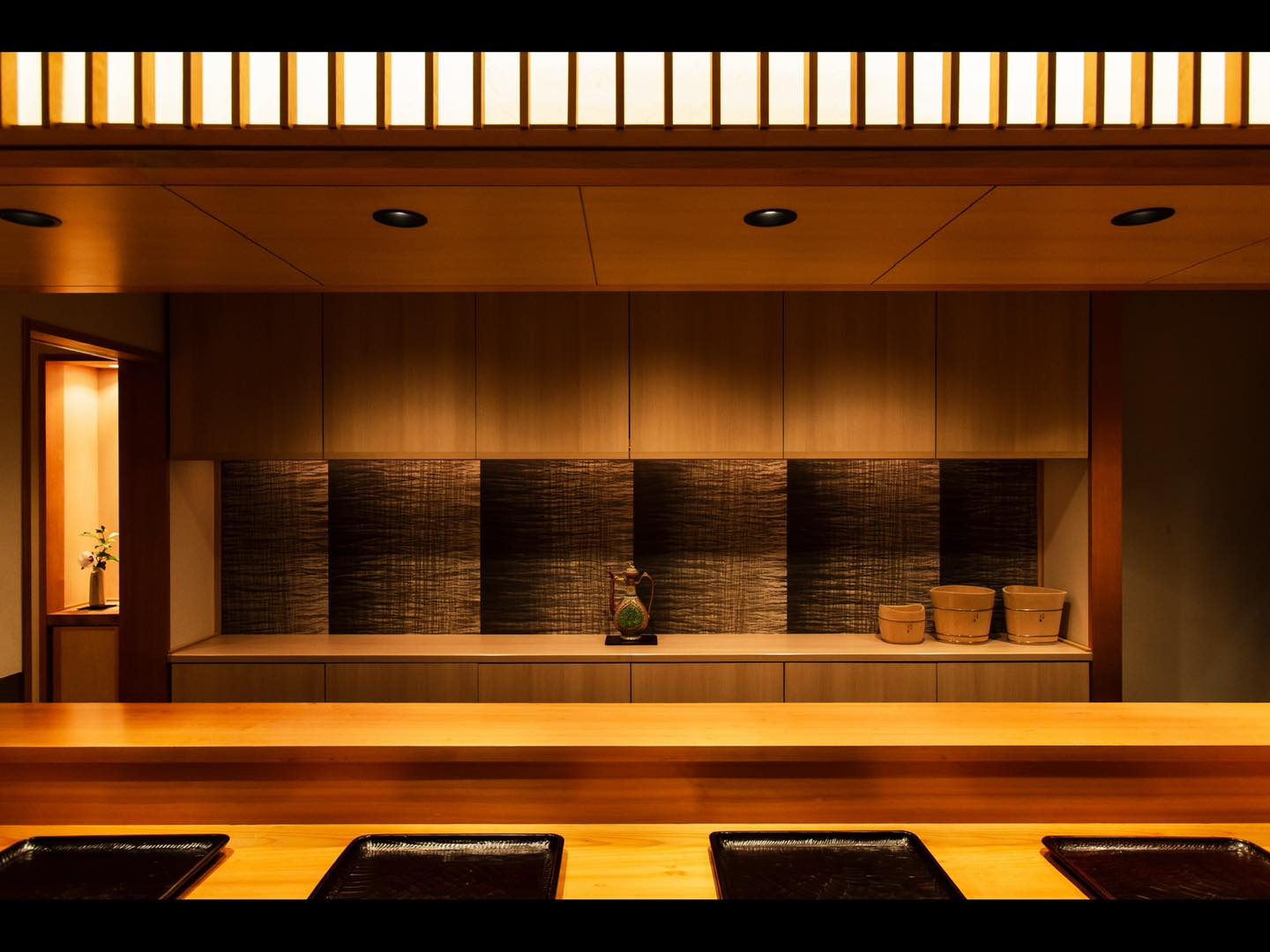
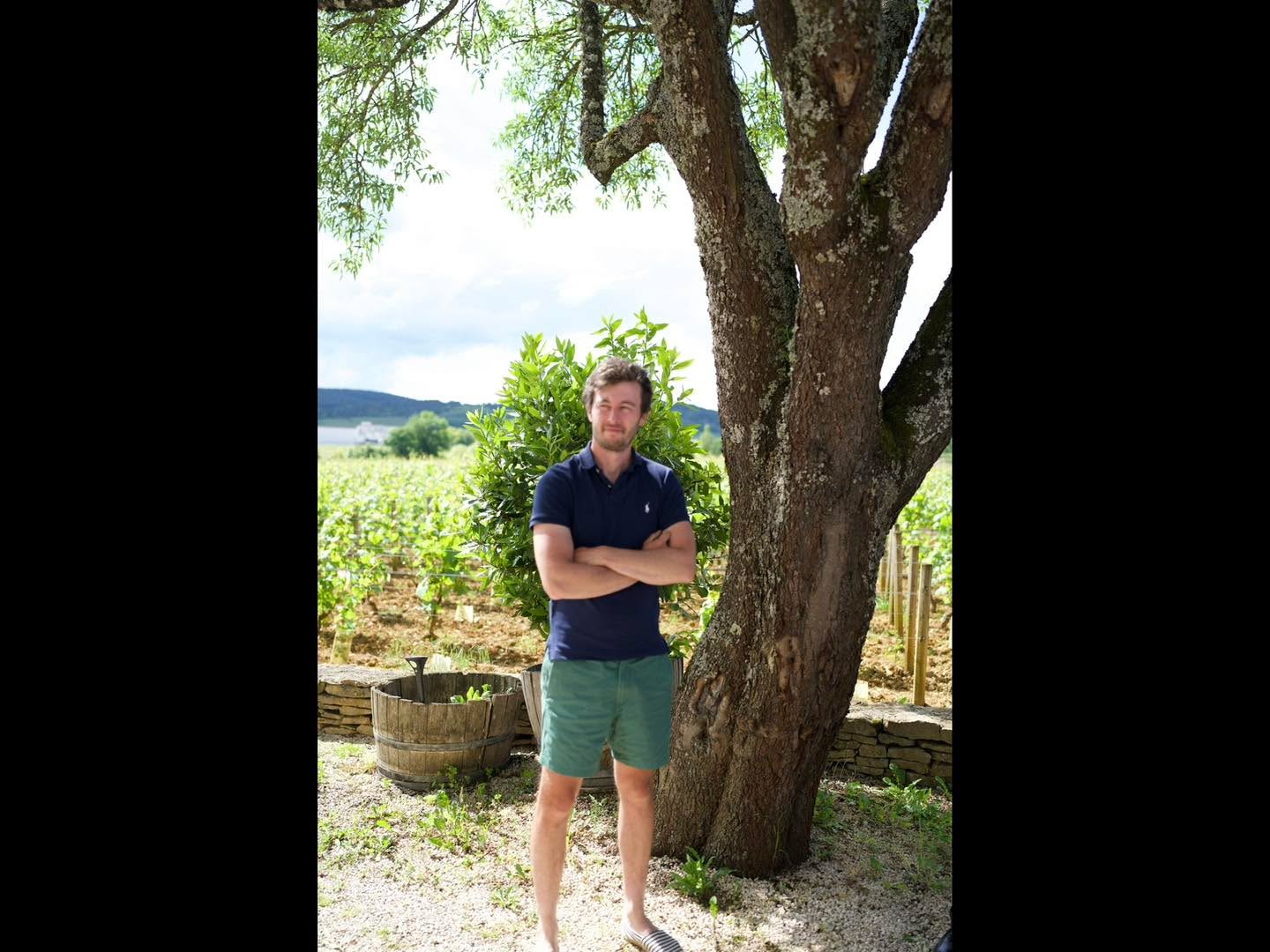
「違いを焼くことは、自分を更新することでもある」

先週携わらせていただいた
恵比寿えんどうさん × Ebisu by Kobos のイベント。

その場で、
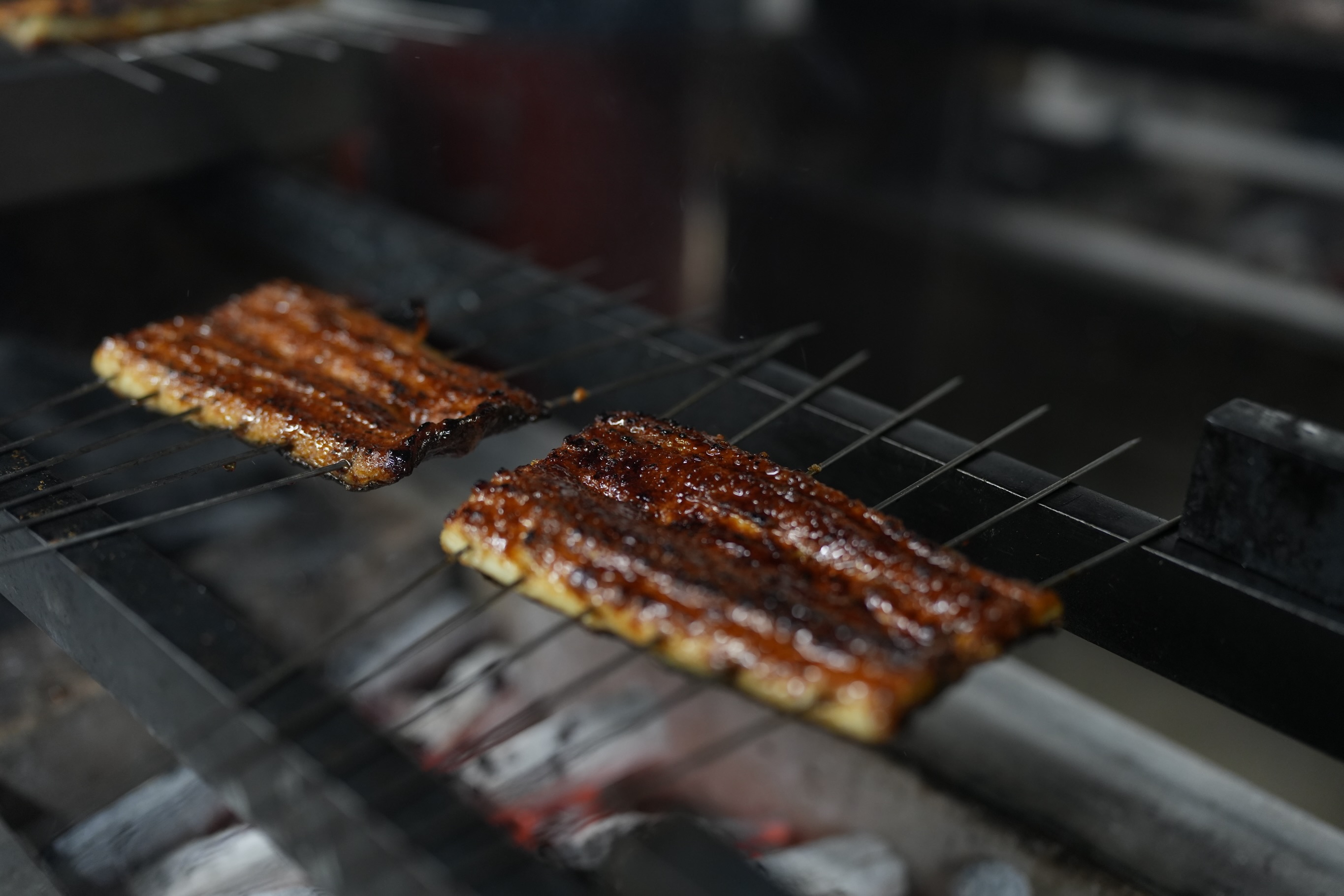
ニホンウナギとヨーロッパウナギを
同時に炭火で焼く機会をいただいた。

ヨーロッパウナギは、
スペインで視察した養殖個体。

もう一種は、
普段扱い慣れているタイプの個体。

種が違えば、
骨格も、皮の厚みも、脂の質も違う。

同じ“うなぎ”でも、
炭の入り方はまるで別物だった。

さらに今回は、日本とは異なる環境。
空気、湿度、炉の造り、そして炭。

普段使い慣れている備長炭とは性格も違い、
火の立ち上がりや安定感も微妙に変わる。

脂の落ち方。
皮目の張り。
返す一瞬の判断。

同じ火加減では成立しない。

難易度は高かった。
しかしその分、確かな学びがあった。

スペインで見た養殖現場。
水温、循環、密度管理。
そして天然ウナギの一夜干しが揺れる水辺。

種を知り、水を知り、環境を知る。
料理は火の前に立つ前から始まっている。

違いを焼くことは、自分を更新することでもある。
その更新は、次の一皿に静かに反映される。

“Grilling the difference is also a way of renewing oneself.”

Last week, I had the opportunity to take part in an event hosted by
Ebisu Endo × Ebisu by Kobos in Madrid.

On that occasion,
I grilled Japanese eel and European eel side by side over charcoal.

The European eel was farm-raised—
the very kind I had studied during my visit to Spain.

The other was a type I am more accustomed to working with.

Different species mean different structures—
bone composition, skin thickness, fat quality.

Even though both are called “eel,”
they respond to fire in completely different ways.

This time, the environment was also different from Japan—
the air, humidity, grill structure, and the charcoal itself.

Unlike the binchotan I usually use,
the character of the fire—its rise and stability—was subtly different.

How the fat renders.
How the skin tightens.
The exact moment to turn.

The same heat does not produce the same result.

It was technically demanding,
yet deeply educational.

Observing eel farming facilities in Spain—
the management of water temperature, circulation, and density—
as well as seeing wild eel being air-dried by the water,
added further perspective.

To understand the species.
To understand the water.
To understand the environment.

Cooking begins long before standing in front of the fire.

Grilling the difference is also a way of renewing oneself.
That renewal will quietly be reflected in the next plate.

#豪龍久保
#日本料理
#恵比寿えんどう
#EbisubyKobos
#料理人の視点
2026.02.23

天然とらふぐ。

天然とらふぐ。

瀬戸内、今治・大島沖。
四阪島周辺の海域。

速い潮と反転流。
荒波に揉まれ、鍛えられた魚体。

筋肉質で、緻密。
噛めば跳ね返る弾力。
火を入れても輪郭が崩れない。

蛭子丸。
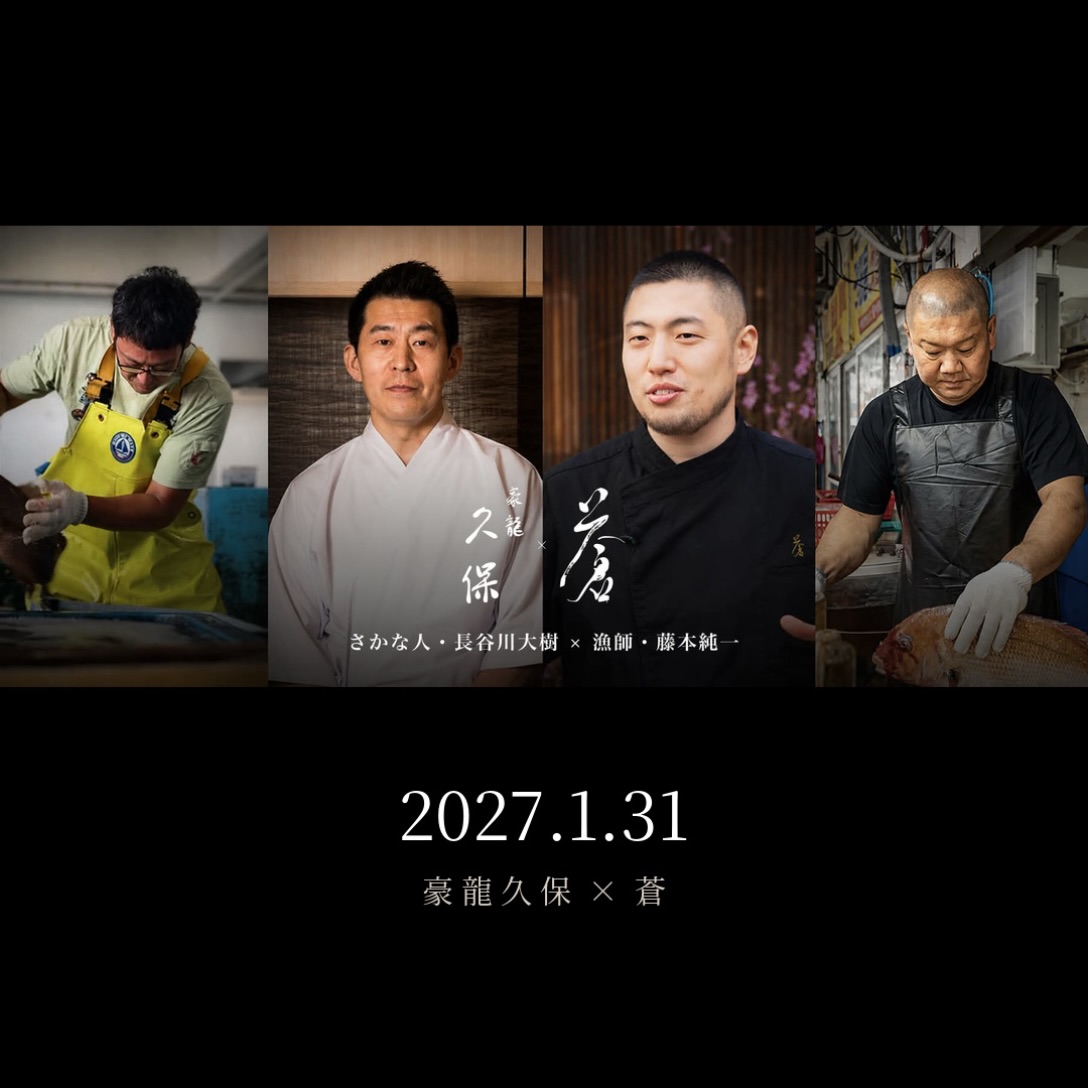
藤本純一氏。

神経締めの精度だけではない。

水揚げ後の温度管理。
海を知り尽くした活け越し。
余計な緊張を抜き、
旨味だけを残す時間。

魚は、海で育ち、
人の手で整えられる。

削ぎ落とした先に残るのは、
力ではなく、質。

強く、静かに。

Wild tiger pufferfish.

Caught off Oshima, Imabari —
in the waters around Shisaka Island
in the Seto Inland Sea.

Fast currents and shifting backflows.
Rough waters that condition the body.

The result is muscular, tightly grained flesh —
resilient on the bite,
holding its structure even under heat.

Ebisu-maru.
Junichi Fujimoto.

Precision nerve-spiking is only the beginning.

Post-catch temperature control.
Carefully judged live holding.
Time allowed to release excess tension
while preserving pure umami.

Fish is shaped by the sea,
then refined by human discipline.

What remains, after everything unnecessary is removed,
is not force —
but integrity.

Quiet. Strong.

#豪龍久保
#日本料理
#天然とらふぐ
#蛭子丸
#terroir
2026.02.22

土地は、ワインにだけ宿るものではありません。

土地は、ワインにだけ宿るものではありません。

私たちが選ぶのは、
山陰の日本海――
兵庫・京都沖で揚がる松葉蟹。

同じズワイガニでも、
海域が変われば、味は変わります。

対馬暖流がもたらす水温、
急峻で深い海底地形、
そこに育つ豊かなプランクトン。

その環境が、
身の締まりと澄んだ甘みを生みます。

塩味に頼らず、
蟹本来の味わいがしっかりと立つ。

それは、
海そのものの質が整っている証だと思っています。

土地は姿に現れ、
そして味に現れる。

それが、料理人が向き合う
本当のテロワールです。

Terroir does not belong to wine alone.

We choose Matsuba crab
from the Sea of Japan off Hyogo and Kyoto.

Though all are snow crabs,
their flavor changes with the sea they grow in.

The Tsushima Current,
steep and deep underwater terrain,
and nutrient-rich plankton
shape the firmness of the flesh
and its refined sweetness.

Without relying on salinity,
the true essence of the crab stands clearly on its own.

That clarity reflects the quality of the sea itself.

Terroir reveals itself in form,
and ultimately, in taste.

#豪龍久保
#日本料理
#松葉蟹
#魚政
#terroir
2026.02.21

料理は、皿の上で完成するものではありません。

料理は、皿の上で完成するものではありません。

海を見て、
潮を感じて、
風を吸い込む。

その土地の水温、
山の近さ、
湾の深さ、
潮の速さ。

それらすべてが、魚の身質を決めています。

料理人が市場だけを見ていては、
本質は見えません。

この海で育った魚は、
なぜ透明感があるのか。

なぜ脂が穏やかで、
なぜ旨みが静かに広がるのか。

その理由を知ることが、
料理の始まりです。

豪龍久保は、
土地を味わっています。

Cooking does not begin on the plate.

It begins with the sea.
With the wind.
With the tide.

The temperature of the water.
The closeness of the mountains.
The depth of the bay.
The speed of the current.

All of these shape the texture of the fish.

If a chef only looks at the market,
he will never see the essence.

Why is the flesh so clear?
Why is the fat gentle?
Why does the umami unfold quietly?

Understanding the land —
and the sea —
is where cooking truly begins.

At Goryu Kubo,
we taste the place itself.

#豪龍久保
#日本料理
#土地の味
#料理人の視点
#terroir
2026.02.20

料理人がワインを語るのは、少し違和感があるかもしれません。

料理人がワインを語るのは、少し違和感があるかもしれません。

本来、ワインはソムリエの領域です。
ですが私は、料理人として、どうしても畑を見たくなります。

葡萄より先に土を見る。
石の多さ、土の乾き方、風の抜け方。
魚を仕入れるときに海を見るのと同じ感覚です。

料理は素材の集積です。
ワインもまた、土地の集積です。

樽の中で眠る液体は、
技術だけではなく、思想が反映されています。

その思想を知らずに、
料理との相性だけを語ることはできない。

造り手と向き合い、土を触り、
畑の空気を吸い込んでからグラスを傾けると、
味わいの輪郭が変わります。

料理人がワインを語る理由。

それは、
料理と同じように、
ワインもまた「土地と人の表現」だからです。

It may feel unusual for a chef to speak about wine.

Traditionally, wine belongs to the realm of sommeliers.
Yet as a chef, I find myself drawn first not to the bottle, but to the vineyard.

Before the grapes, I look at the soil.
The stones, the dryness of the earth, the way the wind moves through the rows.
It is the same instinct I have when I look at the sea before choosing fish.

Cuisine is the accumulation of ingredients.
Wine, too, is the accumulation of a place.

What rests quietly in the barrel reflects not only technique, but philosophy.

Without understanding that philosophy,
one cannot truly speak about harmony with food.

When you stand with the grower,
touch the soil,
and breathe the air of the vineyard before lifting the glass,
the contours of the wine become clearer.

Why does a chef speak about wine?

Because wine, like cuisine,
is an expression of land and people.

#豪龍久保
#日本料理とワイン
#ブルゴーニュワイン
#料理人がワインを語る理由
#terroir
2026.02.19

ヴォーヌ・ロマネの静かな通りに佇む

ヴォーヌ・ロマネの静かな通りに佇む
Domaine Méo-Camuzet

石壁に刻まれたその名には、
この地と真摯に向き合ってきた時間が宿っています。

当主ジャン=ニコラ・メオ氏は、
厳格で、実直で、
クラシックという言葉がよく似合う造り手。

畑のこと、区画の背景、
そしてワインの構造について、
一つ一つを丁寧に、時間をかけて語る姿が印象的でした。

言葉は静かでも、
そこにあるのは妥協のない姿勢。

2022年は成熟の年。
果実は十分に熟しながらも、
ワインは甘く重く流れることなく、
明確な輪郭と緊張感を保っています。

若いうちは厳格。
しかしその内側には、
時間をかけて開いていく設計がある。

派手さではなく、構造。
瞬間の快楽ではなく、熟成という時間。

メオ=カミュゼの哲学は、
静かに、しかし確実にグラスの中に現れていました。

In a quiet street of Vosne-Romanée,
Domaine Méo-Camuzet stands with quiet dignity.

The name carved into its stone walls carries the weight of time—
a history deeply rooted in this land.

Jean-Nicolas Méo is known as a strict, serious,
and profoundly classical winemaker.
During our visit, what impressed us most was the way he spoke—
carefully, patiently, and in remarkable detail
about each parcel, its history, and its structure.

His explanations seemed almost endless,
yet never excessive.
It felt instead like a sincere desire
to make us truly understand the land.

The 2022 vintage is a year of maturity.
The fruit reached full ripeness,
yet the wines are neither sweet nor heavy.
They are defined by clarity, structure, and tension.

Strict in youth,
but clearly built for time.

Not about immediate pleasure,
but about architecture and longevity.

The philosophy of Méo-Camuzet
reveals itself quietly—
yet unmistakably—
in the glass.

#豪龍久保
#日本料理とワイン
#ブルゴーニュワイン
#DomaineMeoCamuzet
#finesswinejapan
2026.02.18

ジュヴレ・シャンベルタンの

ジュヴレ・シャンベルタンの
Domaine Trapet Père et Fils を訪問しました。

静かなカーヴでの時間は、
畑の話から始まりました。

一つ一つのアペラシオンについて、
驚くほど丁寧に、
そして本当に時間をかけて説明してくれました。

終わりそうで終わらない説明。
けれどそれは冗長なのではなく、
“土地を理解してほしい”という真摯な姿勢そのものだったように思います。

ワインを造るということは、
単に葡萄を発酵させることではなく、
その土地の記憶や歴史を受け継ぐことなのだと、
改めて感じました。

若いうちは閉じていても、
時間とともに本質が現れてくる。

それはワインも、人も、
どこか似ているのかもしれません。

I had the opportunity to visit
Domaine Trapet Père et Fils in Gevrey-Chambertin.

The time in their quiet cellar began with stories of the vineyards.

For each appellation,
they offered explanations with remarkable care
and an extraordinary amount of time.

Just when it seemed the explanation might come to an end,
it continued.

Yet it never felt excessive.
Rather, it felt like a sincere desire
for us to truly understand the land.

Winemaking, I realized once again,
is not simply about fermenting grapes.
It is about carrying forward
the memory and history of a place.

Even if a wine feels closed in its youth,
its true character reveals itself with time.

In that sense,
wine and people may not be so different.

#豪龍久保
#日本料理とワイン
#ブルゴーニュワイン
#DomaineTrapet
#finesswinejapan
2026.02.17

先日、仙台を訪れ、

先日、仙台を訪れ、
宮城の食材と向き合う時間を持つ機会をいただきました。

早朝の仙台市中央卸売市場では、
塩釜で水揚げされたマグロが並び、
競り、解体、流通へと進んでいく現場の空気を、
間近で感じることができました。

一本の魚が、
どのような手を経て、
どんな状態で料理人のもとへ届くのか。
実際に目にすることで、
食材への向き合い方をあらためて考える時間になりました。

市場、つくり手、料理人。
それぞれの場所で重ねられる仕事が、
一皿につながっていく。

そんな流れの一端に触れられたことを、
静かに受け止めています。

The other day, I visited Sendai
and spent time engaging with ingredients from Miyagi.

Early in the morning at the Sendai Central Wholesale Market,
tuna landed in Shiogama moved through auction, processing, and distribution.
Standing there, I was able to sense the atmosphere of that process firsthand.

Seeing how a single fish is handled,
and in what condition it reaches the kitchen,
offered a moment to reflect on how we engage with ingredients.

Markets, producers, and cooks.
Each plays a role, and their work quietly connects to one plate.

I take this experience in, calmly and thoughtfully.

#豪龍久保
#日本料理
#仙台中央卸売市場
#塩釜まぐろ
#料理人の視点
2026.02.16

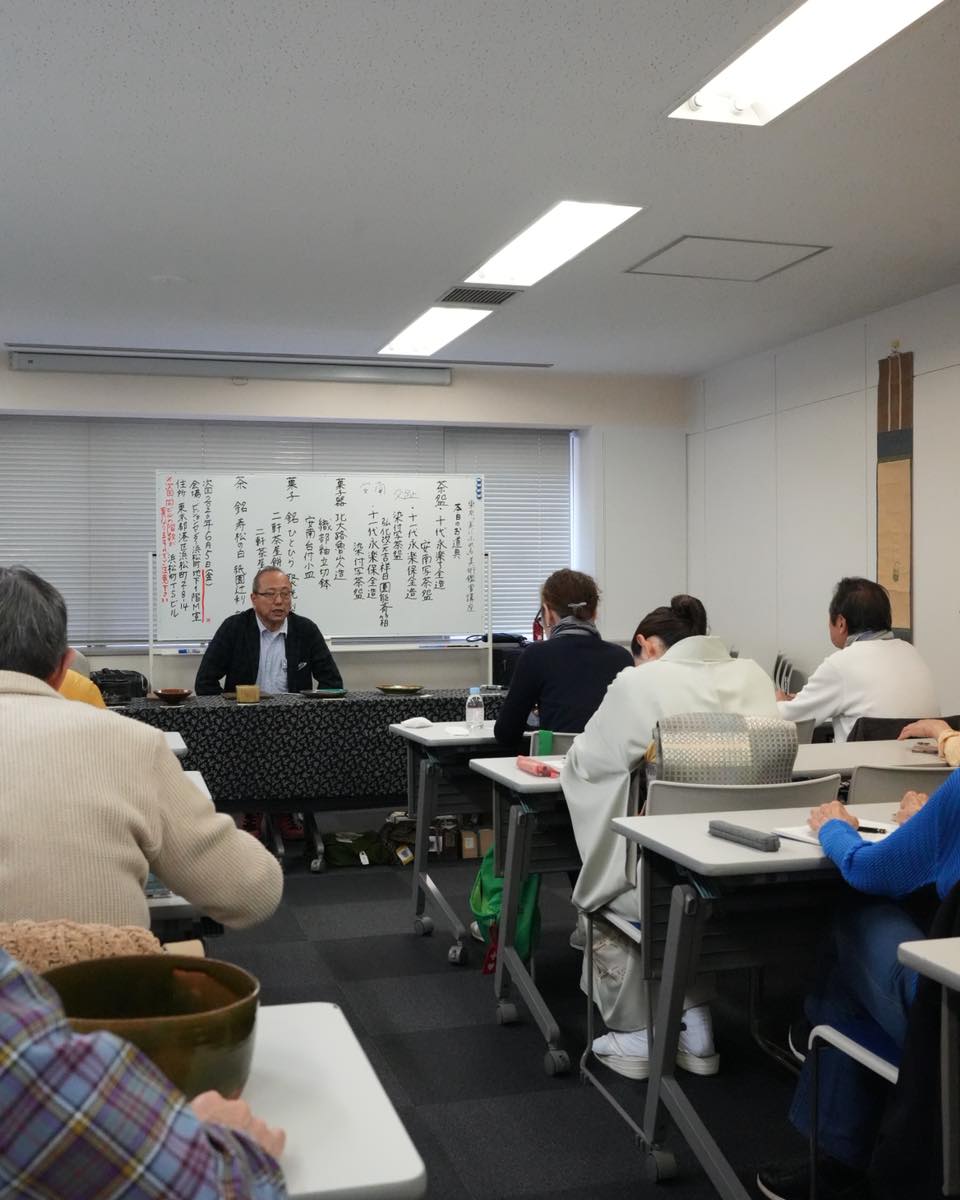
明末期、1620〜1640年代。

明末期、1620〜1640年代。
中国・景徳鎮で焼かれた【古染付】

当時の景徳鎮では、
宮廷のための器とは別に、
日本向けに別注された器が造られていました。

線は均一ではなく、
絵付けもどこか自由で、即興的。
けれど、料理を受け止める懐は深い。

四百年を経た今も、
料理と向き合うための器として、
自然にそこにあります。

Late Ming dynasty, circa 1620–1640.
Kosome-tsuke porcelain fired in Jingdezhen, China.

At that time in Jingdezhen,
alongside wares made for the imperial court,
there were vessels specially commissioned for Japan.

The lines are not perfectly uniform,
the brushwork free and almost improvisational.
Yet each piece holds food with quiet generosity
and a deep sense of balance.

Even after four hundred years,
they remain naturally present
as vessels meant to face cuisine itself.

#豪龍久保
#日本料理
#古染付
#明末期
#梶古美術
2026.02.15

料理は、器の上で完成するものではありません。

料理は、器の上で完成するものではありません。
器と向き合った瞬間から、すでに始まっています。

約四百年前
明末期に景徳鎮で焼かれた古染付。
日々の食のために生まれた磁器の線と余白が、今も静かに残っています。

料理を多く語らせない。
ただ受け止め、支える。

磁肌の揺らぎや、
絵付けの呼吸が自然に立ち上がる瞬間があります。

料理を飾るための器ではなく、
長い時間の中で、料理と並走してきた存在として。

使い続けられてきた理由は、
そうした静けさの中にこそ宿っているのだと思います。

A dish is not completed on the plate.
It begins the moment we face the vessel.

Nearly four hundred years ago,
sometsuke porcelain was fired in Jingdezhen during the late Ming period.
Its lines and spaces, born for everyday use, remain quietly present today.

These vessels do not speak loudly.
They receive, and they support.

The surface begins to breathe —
the porcelain and the brushwork revealing themselves in time.

Not to decorate cuisine,
but to move alongside it through centuries.

The reason these vessels have endured
reveals itself in that quiet presence.

#豪龍久保
#日本料理
#古染付
#明末期
#梶古美術

INSTAGRAMインスタグラム

2026.02.24
「違いを焼くことは、自分を更新することでもある」 先週携わらせていただいた 恵比寿えんどうさん × Ebisu by Kobos のイベント。 その場で、 ニホンウナギとヨーロッパウナギを 同時に炭火で焼く機会をいただいた。 ヨーロッパウナギは、 スペインで視察した養殖個体。 もう一種は、 普段扱い慣れているタイプの個体。 種が違えば、 骨格も、皮の厚みも、脂の質も違う。 同じ“うなぎ”でも、 炭の入り方はまるで別物だった。 さらに今回は、日本とは異なる環境。 空気、湿度、炉の造り、そして炭。 普段使い慣れている備長炭とは性格も違い、 火の立ち上がりや安定感も微妙に変わる。 脂の落ち方。 皮目の張り。 返す一瞬の判断。 同じ火加減では成立しない。 難易度は高かった。 しかしその分、確かな学びがあった。 スペインで見た養殖現場。 水温、循環、密度管理。 そして天然ウナギの一夜干しが揺れる水辺。 種を知り、水を知り、環境を知る。 料理は火の前に立つ前から始まっている。 違いを焼くことは、自分を更新することでもある。 その更新は、次の一皿に静かに反映される。 “Grilling the difference is also a way of renewing oneself.” Last week, I had the opportunity to take part in an event hosted by Ebisu Endo × Ebisu by Kobos in Madrid. On that occasion, I grilled Japanese eel and European eel side by side over charcoal. The European eel was farm-raised— the very kind I had studied during my visit to Spain. The other was a type I am more accustomed to working with. Different species mean different structures— bone composition, skin thickness, fat quality. Even though both are called “eel,” they respond to fire in completely different ways. This time, the environment was also different from Japan— the air, humidity, grill structure, and the charcoal itself. Unlike the binchotan I usually use, the character of the fire—its rise and stability—was subtly different. How the fat renders. How the skin tightens. The exact moment to turn. The same heat does not produce the same result. It was technically demanding, yet deeply educational. Observing eel farming facilities in Spain— the management of water temperature, circulation, and density— as well as seeing wild eel being air-dried by the water, added further perspective. To understand the species. To understand the water. To understand the environment. Cooking begins long before standing in front of the fire. Grilling the difference is also a way of renewing oneself. That renewal will quietly be reflected in the next plate. #豪龍久保 #日本料理 #恵比寿えんどう #EbisubyKobos #料理人の視点
2026.02.23
天然とらふぐ。 瀬戸内、今治・大島沖。 四阪島周辺の海域。 速い潮と反転流。 荒波に揉まれ、鍛えられた魚体。 筋肉質で、緻密。 噛めば跳ね返る弾力。 火を入れても輪郭が崩れない。 蛭子丸。 藤本純一氏。 神経締めの精度だけではない。 水揚げ後の温度管理。 海を知り尽くした活け越し。 余計な緊張を抜き、 旨味だけを残す時間。 魚は、海で育ち、 人の手で整えられる。 削ぎ落とした先に残るのは、 力ではなく、質。 強く、静かに。 Wild tiger pufferfish. Caught off Oshima, Imabari — in the waters around Shisaka Island in the Seto Inland Sea. Fast currents and shifting backflows. Rough waters that condition the body. The result is muscular, tightly grained flesh — resilient on the bite, holding its structure even under heat. Ebisu-maru. Junichi Fujimoto. Precision nerve-spiking is only the beginning. Post-catch temperature control. Carefully judged live holding. Time allowed to release excess tension while preserving pure umami. Fish is shaped by the sea, then refined by human discipline. What remains, after everything unnecessary is removed, is not force — but integrity. Quiet. Strong. #豪龍久保 #日本料理 #天然とらふぐ #蛭子丸 #terroir
2026.02.22
土地は、ワインにだけ宿るものではありません。 私たちが選ぶのは、 山陰の日本海―― 兵庫・京都沖で揚がる松葉蟹。 同じズワイガニでも、 海域が変われば、味は変わります。 対馬暖流がもたらす水温、 急峻で深い海底地形、 そこに育つ豊かなプランクトン。 その環境が、 身の締まりと澄んだ甘みを生みます。 塩味に頼らず、 蟹本来の味わいがしっかりと立つ。 それは、 海そのものの質が整っている証だと思っています。 土地は姿に現れ、 そして味に現れる。 それが、料理人が向き合う 本当のテロワールです。 Terroir does not belong to wine alone. We choose Matsuba crab from the Sea of Japan off Hyogo and Kyoto. Though all are snow crabs, their flavor changes with the sea they grow in. The Tsushima Current, steep and deep underwater terrain, and nutrient-rich plankton shape the firmness of the flesh and its refined sweetness. Without relying on salinity, the true essence of the crab stands clearly on its own. That clarity reflects the quality of the sea itself. Terroir reveals itself in form, and ultimately, in taste. #豪龍久保 #日本料理 #松葉蟹 #魚政 #terroir
2026.02.21
料理は、皿の上で完成するものではありません。 海を見て、 潮を感じて、 風を吸い込む。 その土地の水温、 山の近さ、 湾の深さ、 潮の速さ。 それらすべてが、魚の身質を決めています。 料理人が市場だけを見ていては、 本質は見えません。 この海で育った魚は、 なぜ透明感があるのか。 なぜ脂が穏やかで、 なぜ旨みが静かに広がるのか。 その理由を知ることが、 料理の始まりです。 豪龍久保は、 土地を味わっています。 Cooking does not begin on the plate. It begins with the sea. With the wind. With the tide. The temperature of the water. The closeness of the mountains. The depth of the bay. The speed of the current. All of these shape the texture of the fish. If a chef only looks at the market, he will never see the essence. Why is the flesh so clear? Why is the fat gentle? Why does the umami unfold quietly? Understanding the land — and the sea — is where cooking truly begins. At Goryu Kubo, we taste the place itself. #豪龍久保 #日本料理 #土地の味 #料理人の視点 #terroir
2026.02.20
料理人がワインを語るのは、少し違和感があるかもしれません。 本来、ワインはソムリエの領域です。 ですが私は、料理人として、どうしても畑を見たくなります。 葡萄より先に土を見る。 石の多さ、土の乾き方、風の抜け方。 魚を仕入れるときに海を見るのと同じ感覚です。 料理は素材の集積です。 ワインもまた、土地の集積です。 樽の中で眠る液体は、 技術だけではなく、思想が反映されています。 その思想を知らずに、 料理との相性だけを語ることはできない。 造り手と向き合い、土を触り、 畑の空気を吸い込んでからグラスを傾けると、 味わいの輪郭が変わります。 料理人がワインを語る理由。 それは、 料理と同じように、 ワインもまた「土地と人の表現」だからです。 It may feel unusual for a chef to speak about wine. Traditionally, wine belongs to the realm of sommeliers. Yet as a chef, I find myself drawn first not to the bottle, but to the vineyard. Before the grapes, I look at the soil. The stones, the dryness of the earth, the way the wind moves through the rows. It is the same instinct I have when I look at the sea before choosing fish. Cuisine is the accumulation of ingredients. Wine, too, is the accumulation of a place. What rests quietly in the barrel reflects not only technique, but philosophy. Without understanding that philosophy, one cannot truly speak about harmony with food. When you stand with the grower, touch the soil, and breathe the air of the vineyard before lifting the glass, the contours of the wine become clearer. Why does a chef speak about wine? Because wine, like cuisine, is an expression of land and people. #豪龍久保 #日本料理とワイン #ブルゴーニュワイン #料理人がワインを語る理由 #terroir
2026.02.19
ヴォーヌ・ロマネの静かな通りに佇む Domaine Méo-Camuzet 石壁に刻まれたその名には、 この地と真摯に向き合ってきた時間が宿っています。 当主ジャン=ニコラ・メオ氏は、 厳格で、実直で、 クラシックという言葉がよく似合う造り手。 畑のこと、区画の背景、 そしてワインの構造について、 一つ一つを丁寧に、時間をかけて語る姿が印象的でした。 言葉は静かでも、 そこにあるのは妥協のない姿勢。 2022年は成熟の年。 果実は十分に熟しながらも、 ワインは甘く重く流れることなく、 明確な輪郭と緊張感を保っています。 若いうちは厳格。 しかしその内側には、 時間をかけて開いていく設計がある。 派手さではなく、構造。 瞬間の快楽ではなく、熟成という時間。 メオ=カミュゼの哲学は、 静かに、しかし確実にグラスの中に現れていました。 In a quiet street of Vosne-Romanée, Domaine Méo-Camuzet stands with quiet dignity. The name carved into its stone walls carries the weight of time— a history deeply rooted in this land. Jean-Nicolas Méo is known as a strict, serious, and profoundly classical winemaker. During our visit, what impressed us most was the way he spoke— carefully, patiently, and in remarkable detail about each parcel, its history, and its structure. His explanations seemed almost endless, yet never excessive. It felt instead like a sincere desire to make us truly understand the land. The 2022 vintage is a year of maturity. The fruit reached full ripeness, yet the wines are neither sweet nor heavy. They are defined by clarity, structure, and tension. Strict in youth, but clearly built for time. Not about immediate pleasure, but about architecture and longevity. The philosophy of Méo-Camuzet reveals itself quietly— yet unmistakably— in the glass. #豪龍久保 #日本料理とワイン #ブルゴーニュワイン #DomaineMeoCamuzet #finesswinejapan
2026.02.18
ジュヴレ・シャンベルタンの Domaine Trapet Père et Fils を訪問しました。 静かなカーヴでの時間は、 畑の話から始まりました。 一つ一つのアペラシオンについて、 驚くほど丁寧に、 そして本当に時間をかけて説明してくれました。 終わりそうで終わらない説明。 けれどそれは冗長なのではなく、 “土地を理解してほしい”という真摯な姿勢そのものだったように思います。 ワインを造るということは、 単に葡萄を発酵させることではなく、 その土地の記憶や歴史を受け継ぐことなのだと、 改めて感じました。 若いうちは閉じていても、 時間とともに本質が現れてくる。 それはワインも、人も、 どこか似ているのかもしれません。 I had the opportunity to visit Domaine Trapet Père et Fils in Gevrey-Chambertin. The time in their quiet cellar began with stories of the vineyards. For each appellation, they offered explanations with remarkable care and an extraordinary amount of time. Just when it seemed the explanation might come to an end, it continued. Yet it never felt excessive. Rather, it felt like a sincere desire for us to truly understand the land. Winemaking, I realized once again, is not simply about fermenting grapes. It is about carrying forward the memory and history of a place. Even if a wine feels closed in its youth, its true character reveals itself with time. In that sense, wine and people may not be so different. #豪龍久保 #日本料理とワイン #ブルゴーニュワイン #DomaineTrapet #finesswinejapan
2026.02.17
先日、仙台を訪れ、 宮城の食材と向き合う時間を持つ機会をいただきました。 早朝の仙台市中央卸売市場では、 塩釜で水揚げされたマグロが並び、 競り、解体、流通へと進んでいく現場の空気を、 間近で感じることができました。 一本の魚が、 どのような手を経て、 どんな状態で料理人のもとへ届くのか。 実際に目にすることで、 食材への向き合い方をあらためて考える時間になりました。 市場、つくり手、料理人。 それぞれの場所で重ねられる仕事が、 一皿につながっていく。 そんな流れの一端に触れられたことを、 静かに受け止めています。 The other day, I visited Sendai and spent time engaging with ingredients from Miyagi. Early in the morning at the Sendai Central Wholesale Market, tuna landed in Shiogama moved through auction, processing, and distribution. Standing there, I was able to sense the atmosphere of that process firsthand. Seeing how a single fish is handled, and in what condition it reaches the kitchen, offered a moment to reflect on how we engage with ingredients. Markets, producers, and cooks. Each plays a role, and their work quietly connects to one plate. I take this experience in, calmly and thoughtfully. #豪龍久保 #日本料理 #仙台中央卸売市場 #塩釜まぐろ #料理人の視点
2026.02.16
明末期、1620〜1640年代。 中国・景徳鎮で焼かれた【古染付】 当時の景徳鎮では、 宮廷のための器とは別に、 日本向けに別注された器が造られていました。 線は均一ではなく、 絵付けもどこか自由で、即興的。 けれど、料理を受け止める懐は深い。 四百年を経た今も、 料理と向き合うための器として、 自然にそこにあります。 Late Ming dynasty, circa 1620–1640. Kosome-tsuke porcelain fired in Jingdezhen, China. At that time in Jingdezhen, alongside wares made for the imperial court, there were vessels specially commissioned for Japan. The lines are not perfectly uniform, the brushwork free and almost improvisational. Yet each piece holds food with quiet generosity and a deep sense of balance. Even after four hundred years, they remain naturally present as vessels meant to face cuisine itself. #豪龍久保 #日本料理 #古染付 #明末期 #梶古美術
2026.02.15
料理は、器の上で完成するものではありません。 器と向き合った瞬間から、すでに始まっています。 約四百年前 明末期に景徳鎮で焼かれた古染付。 日々の食のために生まれた磁器の線と余白が、今も静かに残っています。 料理を多く語らせない。 ただ受け止め、支える。 磁肌の揺らぎや、 絵付けの呼吸が自然に立ち上がる瞬間があります。 料理を飾るための器ではなく、 長い時間の中で、料理と並走してきた存在として。 使い続けられてきた理由は、 そうした静けさの中にこそ宿っているのだと思います。 A dish is not completed on the plate. It begins the moment we face the vessel. Nearly four hundred years ago, sometsuke porcelain was fired in Jingdezhen during the late Ming period. Its lines and spaces, born for everyday use, remain quietly present today. These vessels do not speak loudly. They receive, and they support. The surface begins to breathe — the porcelain and the brushwork revealing themselves in time. Not to decorate cuisine, but to move alongside it through centuries. The reason these vessels have endured reveals itself in that quiet presence. #豪龍久保 #日本料理 #古染付 #明末期 #梶古美術

FACEBOOKフェイスブック