
-
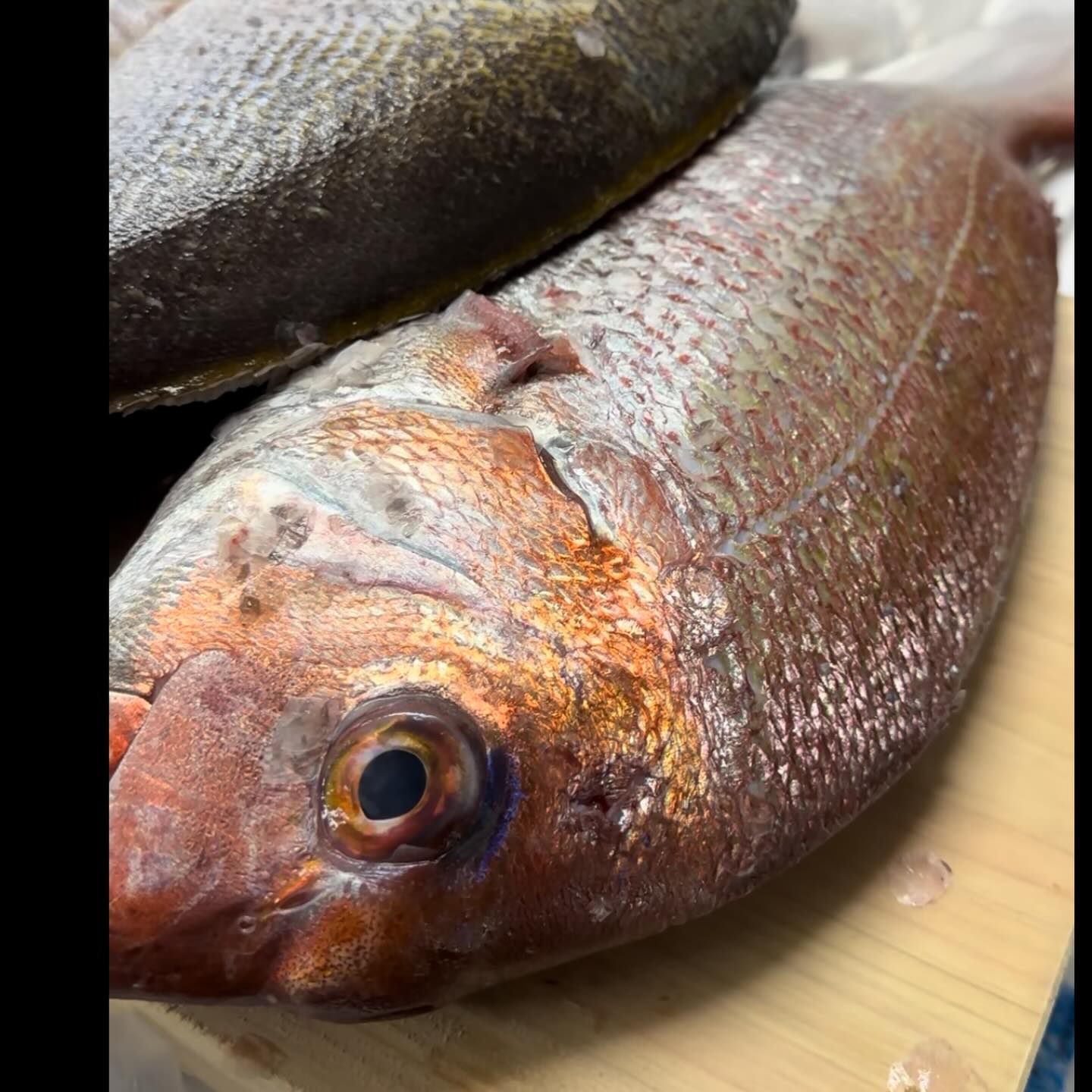 料理は、皿の上で完結するものではない。
1月、虹吉で開催されたイベントの際に、
産地の魚に改めて触らせていただける機会がありました。
愛媛県今治の海で水揚げされ、
丁寧な締めと温度管理を経て届く魚。
包丁を入れた瞬間に伝わる張り。
余計な水分の出ない身質。
火を入れたときの素直な反応。
それは単なる“高鮮度”ではなく、
海と人の仕事が積み重なった質感。
諸外国の魚にも魅力はあります。
けれど、日本の海が育む魚には
やはり独特のポテンシャルがあると
改めて強く感じました。
現場に立ち、
産地の魚を直に触れ、調理する。
その経験が、料理人としての自分を
静かに更新してくれるのだと思います。
Cuisine does not begin on the plate.
In January, during an event held at Nijikichi,
I had the opportunity to work directly with fish from their place of origin.
Harvested in the waters of Imabari, Ehime,
carefully dispatched and temperature-controlled,
these fish carried a tension that could be felt through the knife.
The firmness of the flesh.
The clean fibers that release no excess moisture.
The honest response to heat.
This goes beyond mere “freshness.”
It reflects the accumulated work of sea and people.
While fish from other countries have their own beauty,
I was once again reminded of the unique potential
nurtured by Japanese waters.
To stand in the field,
to handle the fish firsthand—
is to quietly renew oneself as a chef.
#豪龍久保
#日本料理
#蛭子丸
#虹吉
#恵比寿えんどう
-
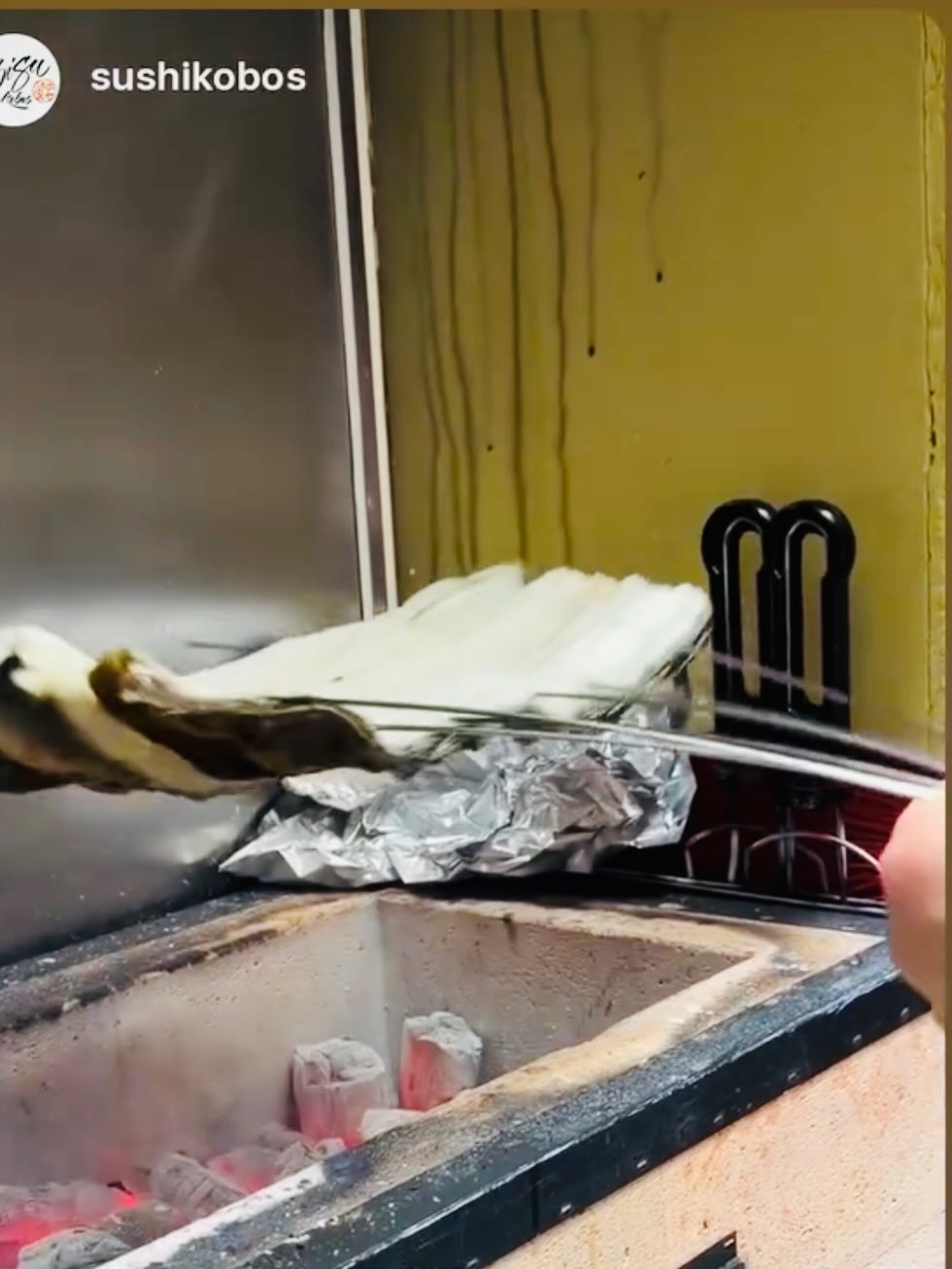 「違いを焼くことは、自分を更新することでもある」
先週携わらせていただいた
恵比寿えんどうさん × Ebisu by Kobos のイベント。
その場で、
ニホンウナギとヨーロッパウナギを
同時に炭火で焼く機会をいただいた。
ヨーロッパウナギは、
スペインで視察した養殖個体。
もう一種は、
普段扱い慣れているタイプの個体。
種が違えば、
骨格も、皮の厚みも、脂の質も違う。
同じ“うなぎ”でも、
炭の入り方はまるで別物だった。
さらに今回は、日本とは異なる環境。
空気、湿度、炉の造り、そして炭。
普段使い慣れている備長炭とは性格も違い、
火の立ち上がりや安定感も微妙に変わる。
脂の落ち方。
皮目の張り。
返す一瞬の判断。
同じ火加減では成立しない。
難易度は高かった。
しかしその分、確かな学びがあった。
スペインで見た養殖現場。
水温、循環、密度管理。
そして天然ウナギの一夜干しが揺れる水辺。
種を知り、水を知り、環境を知る。
料理は火の前に立つ前から始まっている。
違いを焼くことは、自分を更新することでもある。
その更新は、次の一皿に静かに反映される。
“Grilling the difference is also a way of renewing oneself.”
Last week, I had the opportunity to take part in an event hosted by
Ebisu Endo × Ebisu by Kobos in Madrid.
On that occasion,
I grilled Japanese eel and European eel side by side over charcoal.
The European eel was farm-raised—
the very kind I had studied during my visit to Spain.
The other was a type I am more accustomed to working with.
Different species mean different structures—
bone composition, skin thickness, fat quality.
Even though both are called “eel,”
they respond to fire in completely different ways.
This time, the environment was also different from Japan—
the air, humidity, grill structure, and the charcoal itself.
Unlike the binchotan I usually use,
the character of the fire—its rise and stability—was subtly different.
How the fat renders.
How the skin tightens.
The exact moment to turn.
The same heat does not produce the same result.
It was technically demanding,
yet deeply educational.
Observing eel farming facilities in Spain—
the management of water temperature, circulation, and density—
as well as seeing wild eel being air-dried by the water,
added further perspective.
To understand the species.
To understand the water.
To understand the environment.
Cooking begins long before standing in front of the fire.
Grilling the difference is also a way of renewing oneself.
That renewal will quietly be reflected in the next plate.
#豪龍久保
#日本料理
#恵比寿えんどう
#EbisubyKobos
#料理人の視点
-
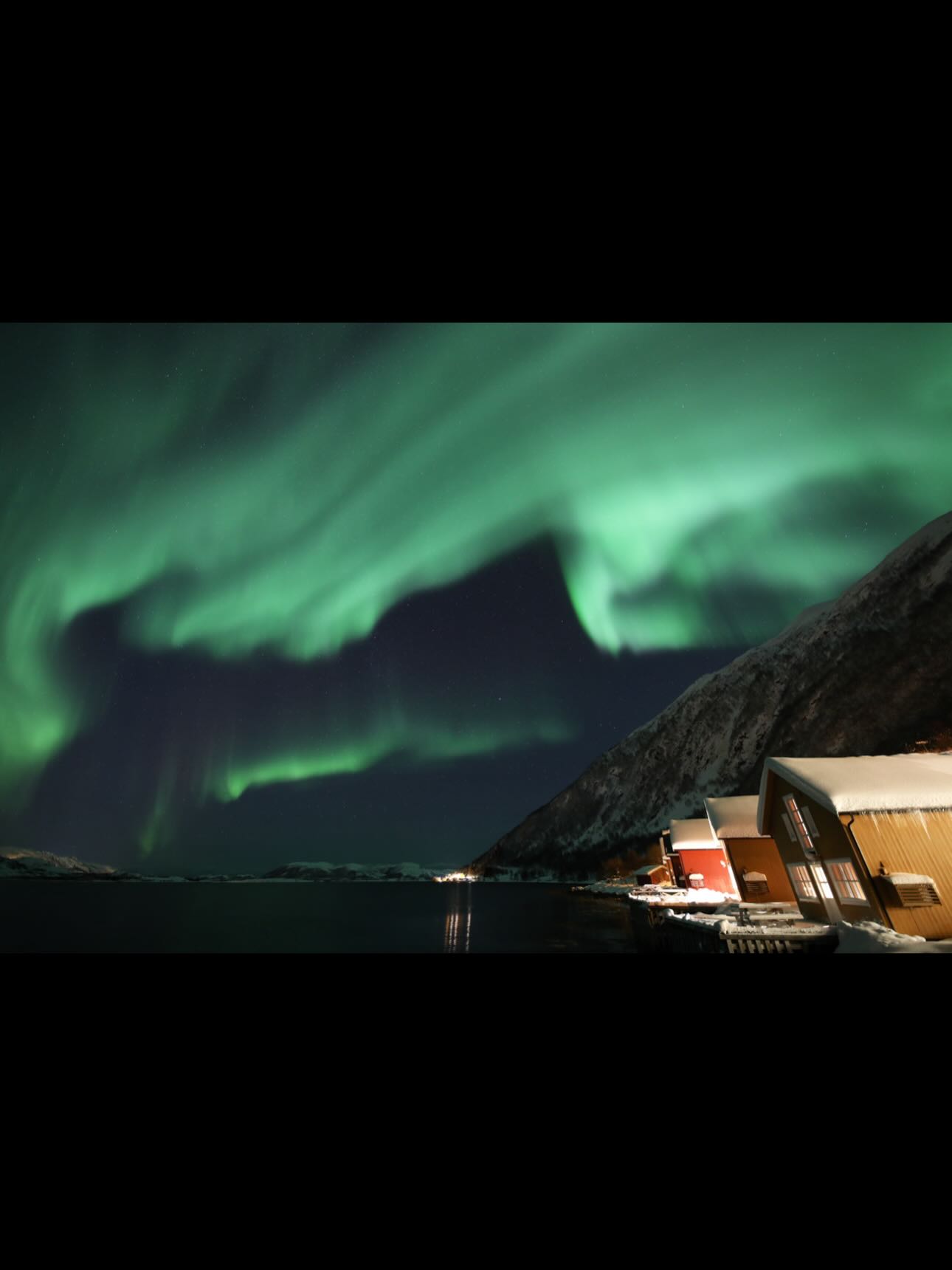 ノルウェー・トロムセーへ。
オスロで行われた
『恵比寿えんどう』さんと
『Sabi Omakase』さんとのイベントに参加した後日、
トロムセーに移動し、
愛媛の漁師・藤本さんたちとともに海へ出ました。
実際に釣り、魚を見て、触れて、
その場で〆、持ち帰り、味わう。
冷たい海、強い流れ、
脂の質、身の締まり。
日本の魚と似ているところ、
まったく違うところ。
食材は、
厨房の中だけでは理解できない。
産地に立ち、海に出て、
初めて見えてくるものがあります。
この旅もまた、
料理と向き合うための、大切な時間でした。
Tromsø, Norway.
After taking part in an event in Oslo
between Ebisu Endo and Sabi Omakase,
I traveled north to Tromsø
and went out to sea with Fujimoto-san,
a fisherman from Ehime.
We fished, handled the catch,
processed it on the spot, and tasted it ourselves.
The cold water, strong currents,
the texture of the flesh, the quality of the fat.
Some things felt familiar —
others entirely different from Japan.
Ingredients cannot be fully understood
from the kitchen alone.
You have to stand at the source
and go out to sea.
This journey, too,
was an essential part of how we face our cuisine.
#豪龍久保
#恵比寿えんどう
#藤本純一
#あか吉
#sabiomakaseoslo
-
 海外に出る理由は、
料理を披露するためだけではありません。
知らない土地で食べ、飲み、
その土地の空気やリズムに身を置くこと。
レストランの熱、街の静けさ、
グラスの向こうにある文化や距離感を、
一度、自分の中に沈めてみる。
名前の出ない立場で現場に立ち、
支える側として手を動かす時間もまた、
料理人としての感覚を静かに研ぎ澄ませてくれます。
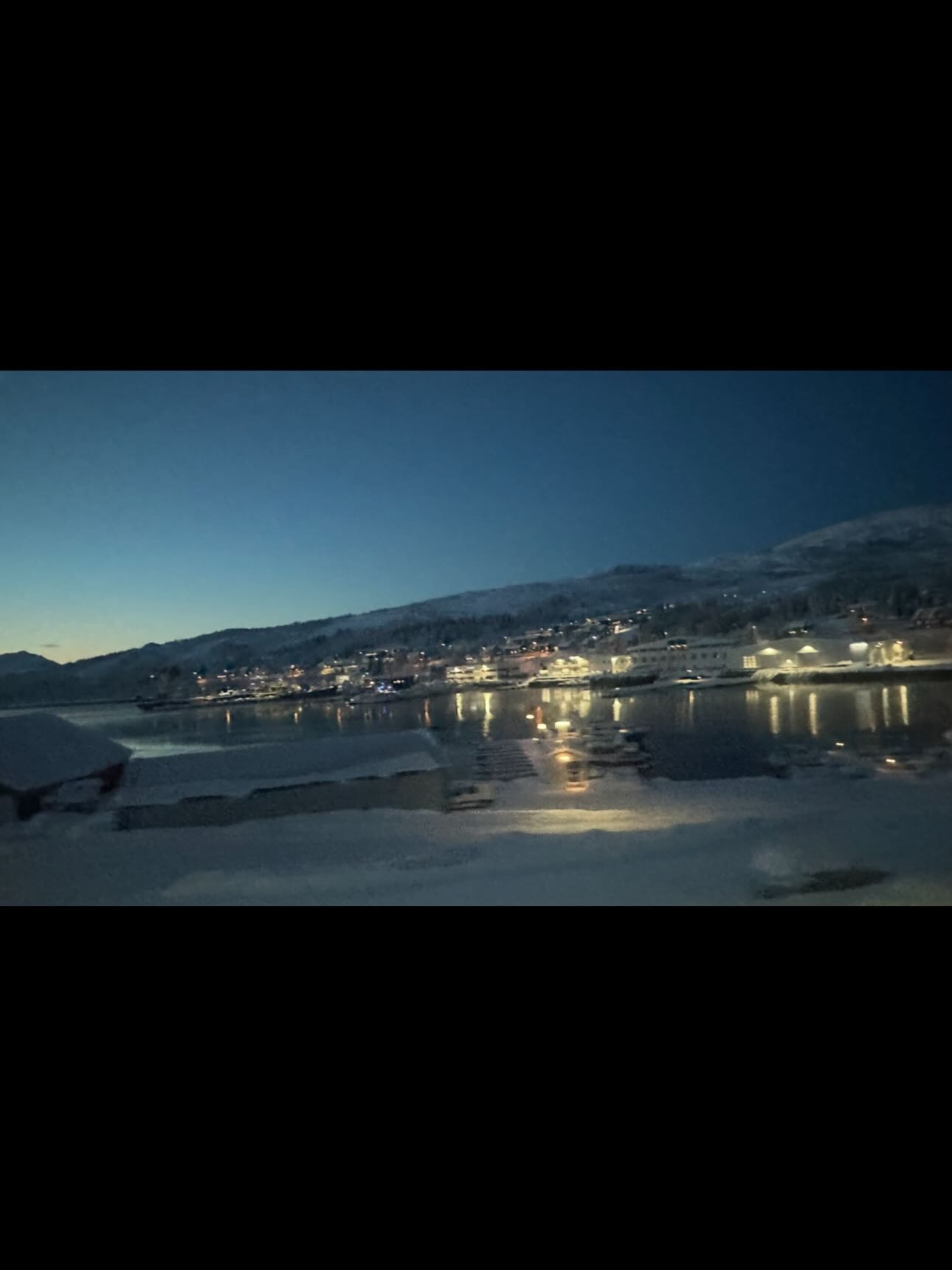
旅先で味わった一杯のワインや、
夜の港に流れる空気は、
すぐに料理になるわけではありません。
けれど確かに、
日本の厨房へと持ち帰られていく。
世界を知ることは、
自分の立ち位置を知ること。
この出張も、その延長線上にあります。
Traveling abroad is not only about showcasing cuisine.
It is about eating, drinking,
and immersing oneself in the rhythm of an unfamiliar place —
the energy of a restaurant,
the quiet of a city at night,
the culture reflected beyond the glass.
Working behind the scenes,
supporting rather than leading,
sharpens a chef’s senses in a different way.
A glass of wine tasted far from home,
the air drifting through a harbor at night —
they do not become dishes immediately.
But they are carried back, quietly,
into the kitchen in Japan.
To know the world
is to understand one’s own position within it.
This journey is part of that process.
#豪龍久保
#海外出張
#料理人の視点
#世界と日本
#恵比寿えんどう